Theodosius Cistern: Hours, Tickets & What to See (2025)
Pay Once and Have Free Attractions Entry for 7 days
Discover one of Istanbul’s lesser-known yet historically significant sites: the Theodosius Cistern. Often overshadowed by the Basilica Cistern, the Theodosius Cistern—locally known as the Serefiye Sarnici—offers a unique glimpse into the city’s Byzantine past. With a history spanning 1,500 years and recent restoration, this subterranean marvel is well worth a visit. In this guide, we’ll cover its history, entrance fees, opening hours, and what to expect from this underground treasure.
🕌 Discover Famous Landmarks of Istanbul
Istanbul: Topkapi Palace & Harem Museum Ticket & Audio Guide 🌟 4.2 / 5 (205 reviews)
Istanbul: Basilica Cistern Skip-the-Line Entry & Audio Guide 🌟 4.4 / 5 (318 reviews)
Istanbul: Blue Mosque & Hagia Sophia Small-Group Tour 🌟 4.4 / 5 (318 reviews)
Essential Information About Theodosius Cistern (2025 Updated)
Location of Theodosius Cistern
Binbirdirek, Piyer Loti Cd. No:2/1, 34122 Fatih/İstanbul, Türkiye
Entry Cost
The ticket to Theodosius Cistern costs 650 TL or 17€ for tourists.
Opening Hours
The museum section of Hagia Sophia is open daily from 09:00 to 19:00.
Don’t Miss The Best Tours and Cruises in Istanbul
The Origins of the Theodosius Cistern
The Şerefiye Cistern, also known as the Theodosius Cistern, was constructed between 428 and 443 AD by the order of Emperor Theodosius, after whom it is named. It is one of the three major cisterns of ancient Constantinople, along with the 4th-century Binbirdirek Cistern and the 6th-century Basilica Cistern. The cistern was a crucial part of the city’s water system, supplied by the Aqueduct of Valens, which brought water from the Belgrade Forest.

Due to a scarcity of natural water sources in the area, the Byzantines built numerous cisterns like this one to collect and store rainwater. The stored water was reserved for emergencies, such as droughts or sieges. The Şerefiye Cistern is constructed from brick, local limestone, and hydraulic mortar, and measures approximately 24 by 40 meters. Its roof is supported by 32 marble columns topped with Corinthian-style capitals. After a thorough restoration, the cistern has been opened to the public as a museum, offering a glimpse into the city’s rich Byzantine history.
Read also: Istanbul Underground Attractions: A Journey Beneath the City (2025)
Read more about byzantine history and heritage in Istanbul >>
Rediscovery of the Theodosius Cistern
In 2010, the Theodosius Cistern (Şerefiye Sarnıcı) was rediscovered when the old Eminönü Town Hall was demolished. This 5th-century cistern, hidden for centuries, was carefully restored and opened to the public in 2018. A modern steel and glass structure, designed by the Istanbul-based firm Cafer Bozkurt Mimarlık, was added above the ancient site, creating a unique blend of old and new.

Today, the cistern is more than just a historical site—it’s a lively cultural venue hosting art exhibitions, cultural events, and free classical music concerts. Visitors can also relax at the bookstore and coffee shop above the cistern, making it a great spot to take a break while exploring Istanbul.
A Light Show in an Ancient Setting
The Theodosius Cistern features a 360° Projection Mapping show that runs every hour. This 20-minute show takes you through Istanbul’s incredible history using lights and music. The Şerefiye Cistern is the first museum in Turkey and the oldest building in the world to have a 360° projection mapping system.
The show is made up of five parts and lasts 10 minutes. It uses 3D effects to light up the walls, columns, and ceiling, giving visitors a new way to see and appreciate this 1,600-year-old site. It’s a unique experience that brings the history and architecture of the cistern to life.

What to See in Theodosius Cistern
Byzantine Architecture
The Theodosius Cistern features an impressive architectural design, with 45 sail vaults supported by 32 marble columns. Each column is adorned with intricate Corinthian capitals, showcasing the masterful craftsmanship of the Byzantine era.
Marble Columns
The Theodosius Cistern is supported by tall marble columns that stretch up to the roof. These ancient columns are decorated with intricate designs that showcase the incredible craftsmanship of the builders from centuries ago.
Ancient Inscriptions
While the Theodosius Cistern does not have its own inscriptions, its architectural characteristics suggest that it was built during the rule of Theodosius II (408-450).

Theodosius Cistern Ticket Prices 2025
650 TL
- Standard Ticket: Entry to Hagia Sophia costs €17 or 650 TL. The cheapest option is to buy your ticket on-site.
- Ticket with audio guide: audio-tours typically start at €22.
⛔ MUSEUM PASSES ARE NOT VALID
Is the Theodosius Cistern open all day?
Theodosius Cistern Opening Hours 2025
- The Şerefiye Cistern is open to visitors daily from 09:00 to 19:00.
- The Theodosius Cistern has a light show every hour. Arrive 10 minutes early to catch the show without a long wait. For the 10:00 AM show, get there by 9:50 AM. Arriving at 9:30 AM may mean waiting for up to 30 minutes.
daily
from 09:00 to 19:00
Enjoy Free Entry to the Theodosius Cistern and Guided Tour with Istanbul E-Pass
The Istanbul E-Pass is an option for travelers, as it offers free entry and guided tours to the Theodosius Cistern, along with 50+ other attractions, providing a cost-effective way to explore the city.
Cistern Concerts
The Theodosius Cistern also hosts periodic concerts, showcasing classical Turkish music, classical Western music, and baroque music.
Navigation
Where is the Theodosius Cistern: Getting There
Binbirdirek, Piyer Loti Cd. No:2/1, 34122 Fatih/İstanbul, Türkiye
Find on Maps
Various buses stop within a 15-minute walk from the cistern. Look for buses heading towards the Old City or Sultanahmet area. Alight at the nearest stop and follow signs or ask for directions to Çemberlitaş.
Bus 28: Travels between the Cevizlibağ and Çemberlitaş areas.
Bus 36: Connects the Şişli and Çemberlitaş areas.
Bus 41: Runs between the Kadıköy and Çemberlitaş areas.
Bus 42: Covers the route from the Atatürk Airport area to Çemberlitaş.
Take the Marmaray train to Sirkeci Station. From there, it’s a 15-minute walk to the cistern. Follow the signs towards the Old City and then head towards Çemberlitaş.
M2 Metro Line: Alight at Vezneciler Station. From there, it’s a 10-minute walk to the cistern. Head towards the Old City and follow the signs to Çemberlitaş.
From Old City Hotels: Take the T1 Tram to Çemberlitaş Station. The cistern is a 2-minute walk from the station. Once you exit, head towards the direction of Piyer Loti Hotel.
From Taksim Hotels: Take the funicular from Taksim to Kabataş, then transfer to the T1 Tram towards Çemberlitaş Station. Walk 2 minutes from the station to the cistern.
If arriving by tram or metro, locate Piyer Loti Hotel on Divanyolu Street. Walk towards the direction of Çemberlitaş Tram Station. Look for the Piyer Loti Hotel café on your left. Turn into the street next to the café and walk straight. You’ll see a modern steel and glass building. This is the entrance to the Theodosius Cistern.
The area around the cistern can be very congested, so it’s better to use public transport. If you decide to take a taxi, it’s advisable to ask the driver to drop you off at a nearby landmark, such as Piyer Loti Hotel, and walk from there.
ISPARK Vezneciler, located at Molla Fenari Mh, is the closest parking facility. From there, it’s about a 10-minute walk to the cistern.
Theodosius Cistern vs Basilica Cistern
The Theodosius Cistern, known in Turkish as Şerefiye Sarnıcı (Goodwill Cistern), is smaller and rectangular, measuring about 42 meters long and 25 meters wide. In contrast, the Basilica Cistern is much larger, spanning 138 meters by 65 meters. While the Basilica Cistern is grand and expansive, the Theodosius Cistern provides a more intimate glimpse into Istanbul’s ancient water system.
More Byzantine Cisterns in Istanbul
In addition to the Theodosius Cistern, Istanbul have several other impressive Byzantine cisterns that are worth exploring.
Basilica Cistern (Yerebatan Sarnıcı)
The Basilica Cistern, also known as the Yerebatan Sarnıcı, is the largest and most famous cistern in Istanbul. With its forest of 336 marble columns. Read more…
Binbirdirek Cistern (Binbirdirek Sarnıcı)
The Binbirdirek Cistern, also known as the Cistern of 1,001 Columns, is the second-largest cistern in Istanbul. It features 224 marble columns and was once part of the Great Palace complex.
Cistern of Philoxenos (Mocius Cistern, 1001 Direk Sarnıcı)
The Cistern of Philoxenos is a lesser-known cistern that was constructed during the reign of Emperor Justinian. It is also called the Mocius Cistern or the 1001 Columns Cistern, although it only contains 224 columns.
Aetius Cistern (Aetius Sarnıcı)
The Aetius Cistern is another hidden gem of Istanbul, built during the reign of Emperor Justinian I. This cistern has a simple design, featuring 32 columns arranged in four rows.
Aspar Cistern (Aspar Sarnıcı)
The Aspar Cistern is one of the oldest and largest open-air cisterns in Istanbul, built during the reign of Emperor Leo I. Named after the Eastern Roman general Ardabur Aspar, this cistern once supplied water to the Great Palace and the Hippodrome.
Visitor Information
-
💵
Entrance Fee: 650 TL
-
⌛Opening Hours: from 09:00 to 19:00
-
⛔
Closed: No
-
📍
Location: Binbirdirek, Piyer Loti Cd. No:2/1, 34122 Fatih/İstanbul
FAQs
Q: How many cisterns were in Constantinople?
A: Tens of cisterns were built in Constantinople over the centuries to address the city’s water shortages. Some of the most famous ones include the Basilica Cistern and the Theodosius Cistern.
Q: What is a cistern?
A: A cistern is an underground chamber designed to store and hold water, often built in areas with limited water resources or to ensure a water supply during sieges.
Q: Is the Theodosius Cistern worth visiting compared to the more famous Basilica Cistern?
A: Yes, the Theodosius Cistern offers a unique experience with its 360° projection mapping system, periodic concerts, and well-preserved architectural details.
Q: Can I take photos inside the Theodosius Cistern?
A: Yes, visitors are allowed to take photos inside the cistern, capturing its stunning architecture and mesmerizing light show.
You Might Be Interested in
- How to Get from New Istanbul Airport (IST) to Besiktas 2025
- 8 Best Workshops in Istanbul in English with Reviews (2025)
- Topkapi Palace Istanbul: Tickets, Hours & What to See 2025
- Museum of Turkish and Islamic Arts in Istanbul: Guide 2025
- New Istanbul Airport Public Buses: Routes & Fares 2025
- Istanbul Naval Museum: What to See, Tickets & Hours (2025)
- Arasta Bazaar in Istanbul: History, Guide & What to Buy 2025
- Istanbul Weather in October: What to Wear, See & Do (2025)
- Beylikduzu in Istanbul: Area Info, Things to Do & See (2025)
- Most Beautiful Mosques in Istanbul: Historical & New 2025
Don’t Miss The Best Tours and Cruises in Istanbul
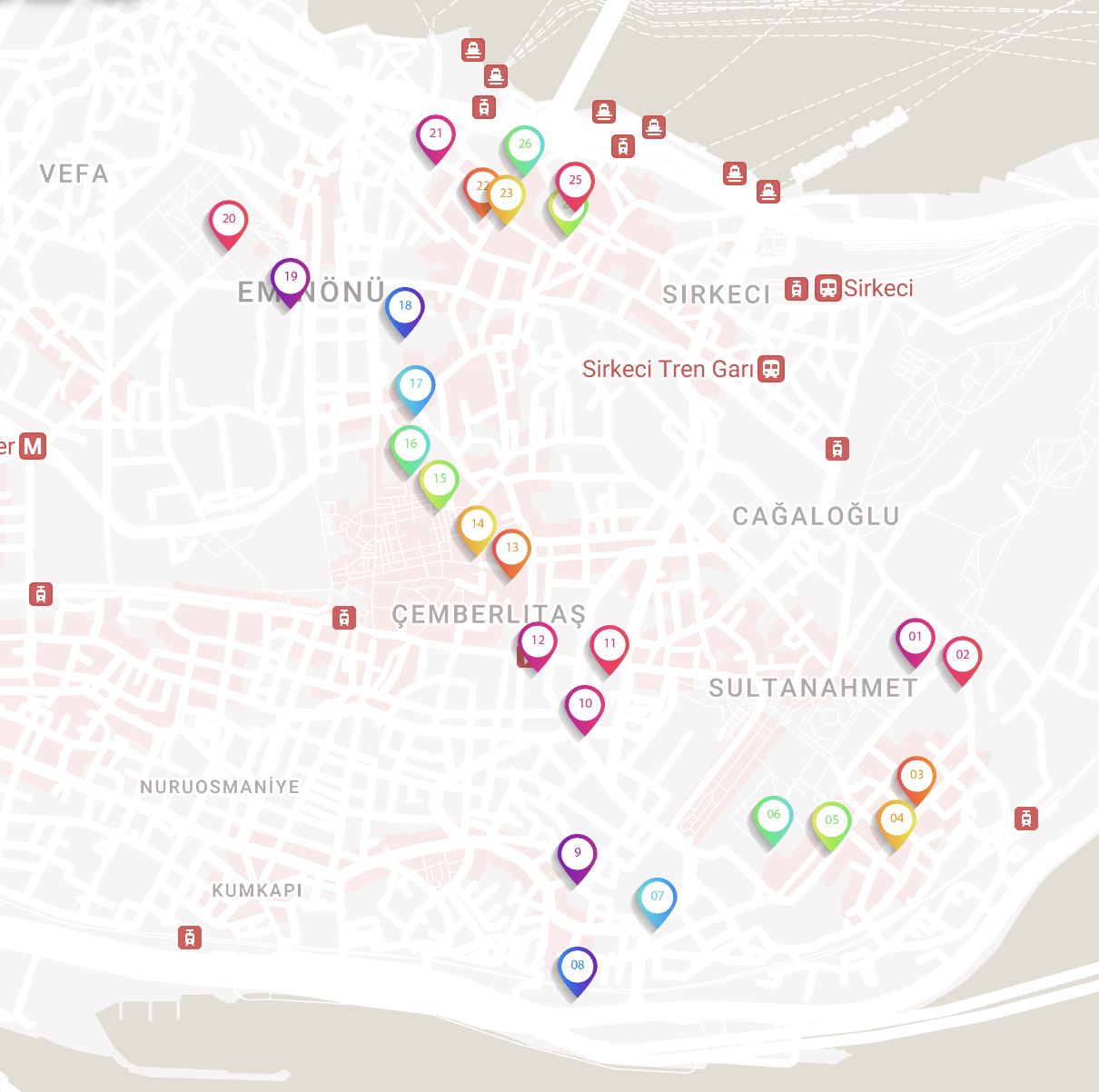
Old City Route – Istanbul
$9.99
★★★★★
A step-by-step guide to uncovering Istanbul’s hidden gems beyond Sultanahmet. Access the route via Google Maps and a handy PDF guide
Similar Posts
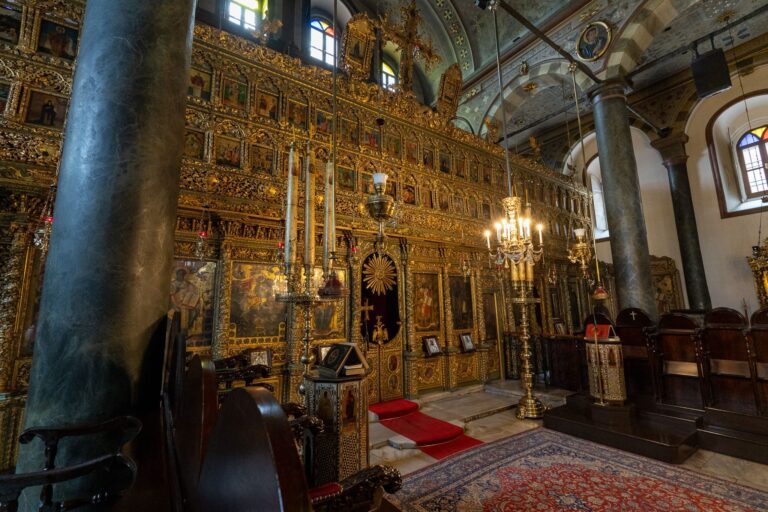
Churches in Istanbul: A Journey Through Faith and History
Save up to 70% with Istanbul E-Pass Pay Once and Have Free Attractions Entry for 7 days Save over 50% Istanbul, once known as Constantinople, has a long and complex history that spans centuries and empires. This vibrant city is home to a diverse range of religious sites, including many beautiful and historic churches that…

Famous Squares in Istanbul: Taksim, Sultanahmet & More 2025
Save up to 70% with Istanbul E-Pass Pay Once and Have Free Attractions Entry for 7 days Save over 50% Istanbul, the captivating city straddling two continents, is renowned for its rich history, diverse culture, and an array of remarkable squares that reflect its unique character. Among the various squares, two iconic locations truly stand…
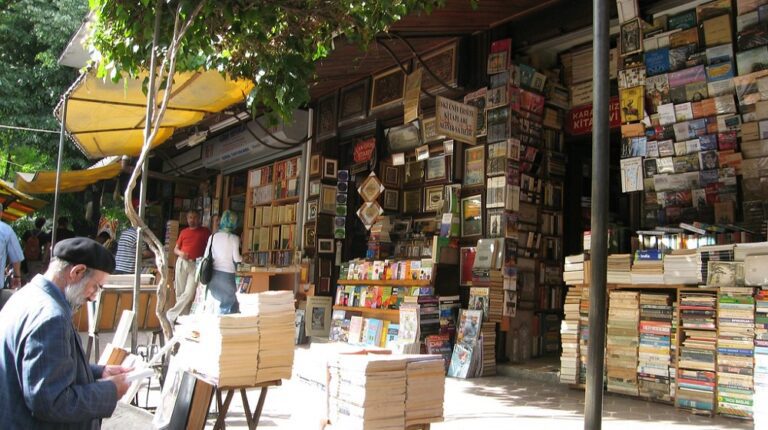
Beyazit Book Bazaar: the Best Book Market in Istanbul (2025)
Save up to 70% with Istanbul E-Pass Pay Once and Have Free Attractions Entry for 7 days Save over 50% Discover the timeless allure of historic Beyazit Book Bazaar in Istanbul, where you can find a wealth of antique books, old manuscripts, and second-hand gems. Unearth the rich history of this captivating market and unlock…
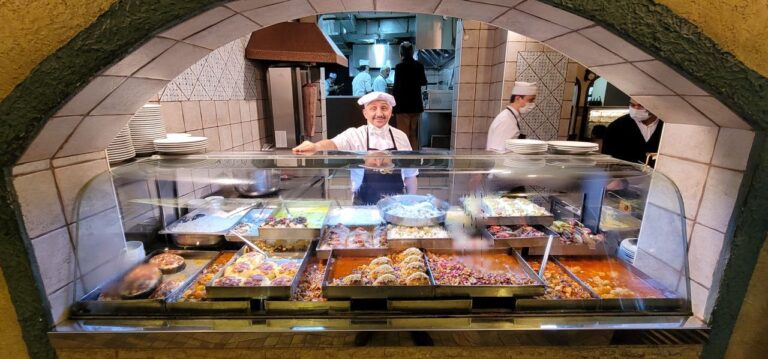
Where to Eat on Grand Bazaar: Cafes, Restaurants, Doner, Drinks, and Sweets (2025)
Save up to 70% with Istanbul E-Pass Pay Once and Have Free Attractions Entry for 7 days Save over 50% The Grand Bazaar in Istanbul is not only a sprawling labyrinth of shops and stalls, but also a treasure trove of culinary delights waiting to be discovered. As a hub of commerce and cultural exchange…
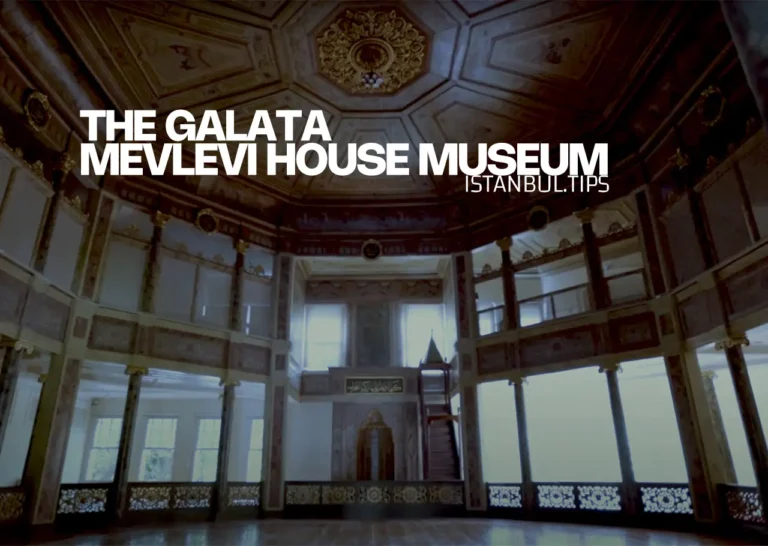
Galata Mevlevi Museum: Hours, Restoration & Tickets (2025)
Save up to 70% with Istanbul E-Pass Pay Once and Have Free Attractions Entry for 7 days Save over 50% The Galata Mevlevi Lodge Museum, originally built in 1491, is Istanbul’s oldest Mevlevi lodge. It served as a spiritual and cultural center for the Mevlevi order, a Sufi group known for their Whirling Dervish ceremonies….

Beylerbeyi Palace: Opening Hours, Entry Fee, Things to See, and Location 2024
Save up to 70% with Istanbul E-Pass Pay Once and Have Free Attractions Entry for 7 days Save over 50% Embark on a journey to explore the historic Beylerbeyi Palace, a magnificent summer residence for Ottoman sultans and prestigious guests, nestled along the scenic Bosphorus Strait. Discover the palace’s rich history, stunning architecture, and beautiful…