
The Best Time and Weather to Visit Istanbul: Seasons Overview 2025
Pay Once and Have Free Attractions Entry for 7 days
While Istanbul is charming year-round, certain seasons might be more appealing to you than others. The average ideal time to explore Istanbul is during the shoulder seasons, from April to May and September to November. These months offer a pleasant balance, avoiding the intense summer heat and the chilly, damp winter.
You can enjoy both summer and winter activities — take a ferry ride to the Black Sea, bask in the mild sunshine, and stroll through the hilly, cobblestone streets without feeling overwhelmed by the heat. April is especially magical, as the city hosts its famous Tulip Festival, turning Istanbul into a vibrant, colorful spectacle.
What Time to Choose?
Winter
- Weather: Cool with occasional rain and rare snow.
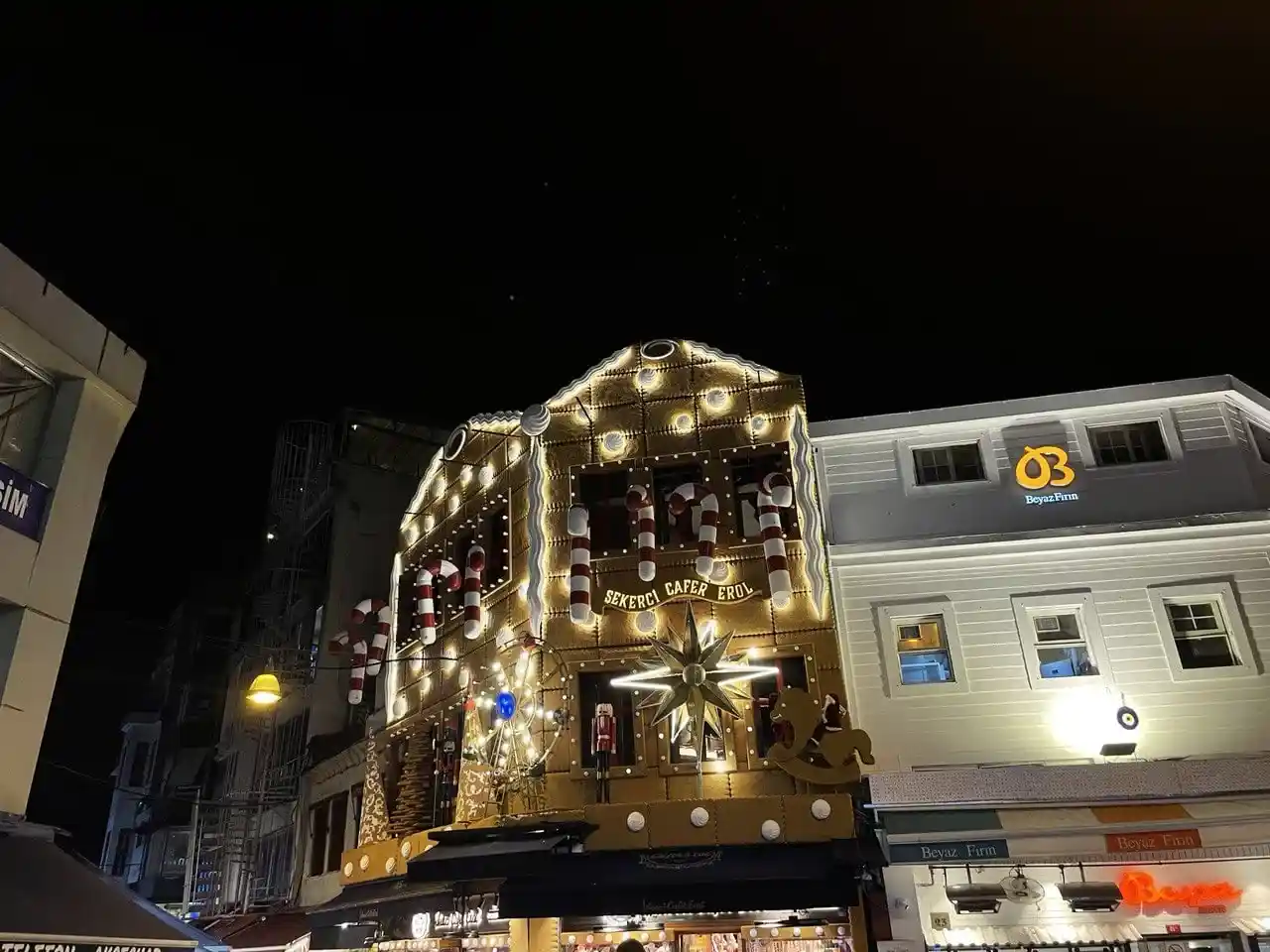
- Highlights: Fewer crowds, festive atmosphere.
- Best for: Indoor attractions, gastro travelling.
Spring
- Weather: Mild, with occasional rain.
- Highlights: Flower festivals & Ramadan
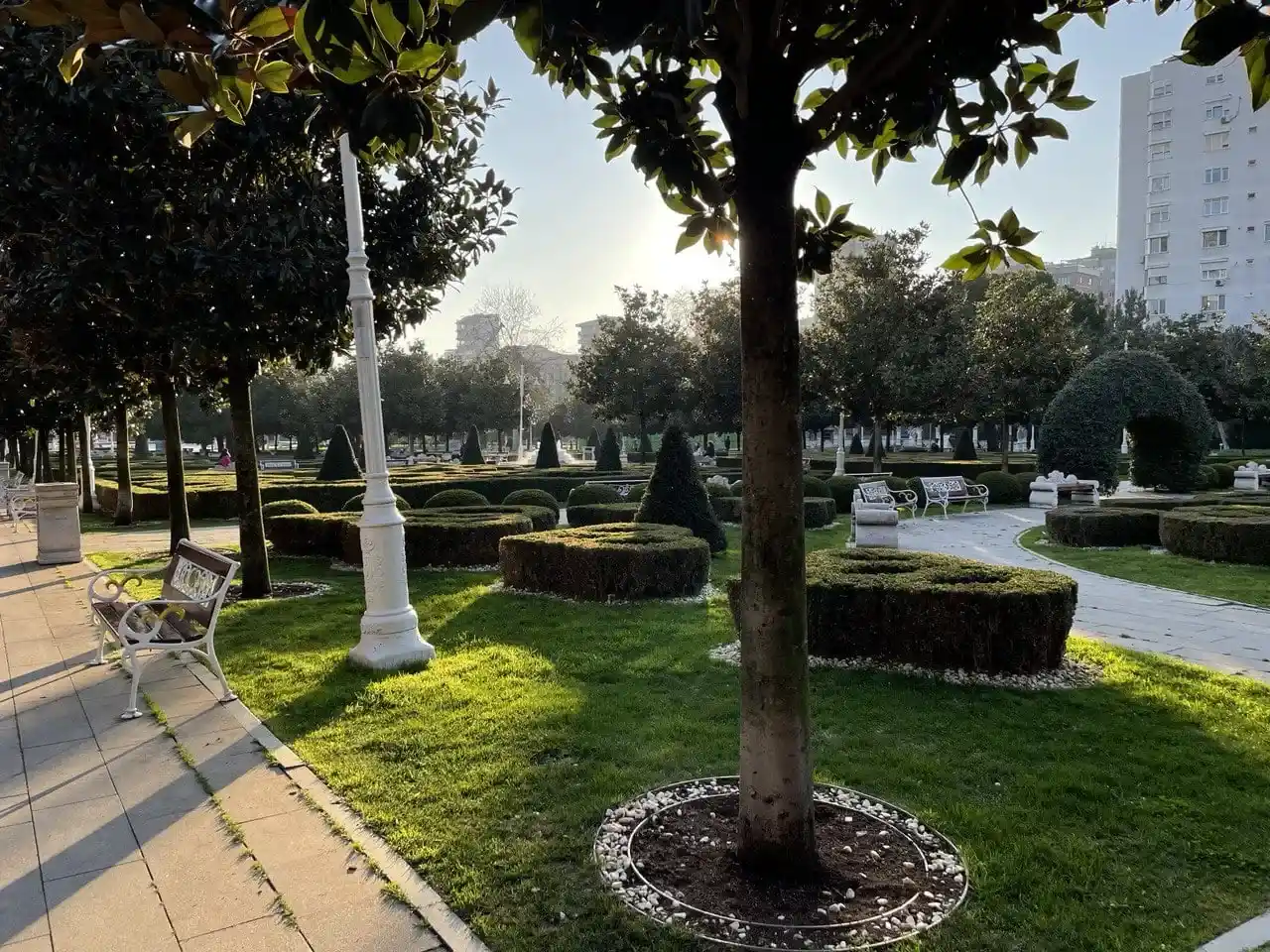
- Best for: Exploring parks, sightseeing, and boat trips.
- Note: Take light jacket and umbrella.
Summer
- Weather: Hot and humid, especially in August.
- Highlights: Beach outings, festivals, long sunny days.
- Best for: Enjoying local events and swimming (early September).
- Note: Be prepared for crowds and high temperatures.
Autumn
- Weather: Warm in September, cooler by November.
- Highlights: Fewer tourists, beautiful fall colors.
- Best for: City walks, Bosphorus cruises, exploring historic sites.
- Note: Swimming only in early September.
🕌 Discover Famous Landmarks of Istanbul
Istanbul: Topkapi Palace & Harem Museum Ticket & Audio Guide 🌟 4.2 / 5 (205 reviews)
Istanbul: Basilica Cistern Skip-the-Line Entry & Audio Guide 🌟 4.4 / 5 (318 reviews)
Istanbul: Blue Mosque & Hagia Sophia Small-Group Tour 🌟 4.4 / 5 (318 reviews)
Don’t Miss The Best Tours and Cruises in Istanbul
Winter in Istanbul: December – February
Winter on the shores of the Sea of Marmara is cool and damp. Yet, many still flock to Istanbul during this time — like any major tourist city, Istanbul doesn’t really have a low season. Its grand mosques, bustling markets, galleries, and palaces are open to visitors year-round.
How Actually Cold Is It?
If you’re accustomed to a colder climate, say, like the UK, Istanbul’s winter won’t seem harsh. The weather can be unpredictable, so check the forecast before you leave and plan your days accordingly. On colder days, explore museums, and on milder ones, enjoy cruises, parks, and city walks. Your trip won’t be any less enjoyable.
Weather in Winter
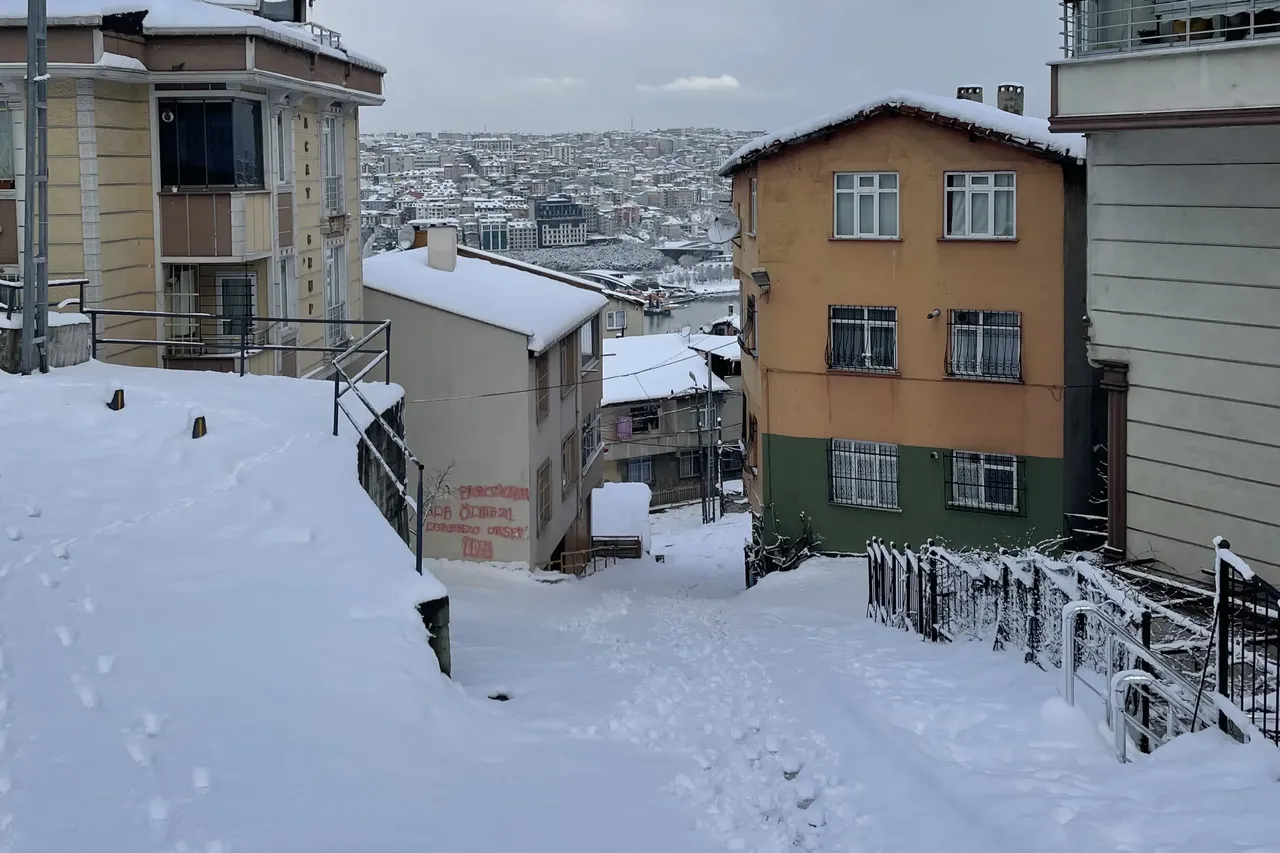
Winter in Istanbul is marked by long rains, strong winds, and overcast skies, with occasional breaks of sunshine. While winter in Istanbul is mostly cloudy and rainy, temperatures can range from -2°C to 10°C. Snow is rare but can surprise you, as it did in recent years.
What to expect in Istanbul during winter:
- December: A month of contrasts. One day the sun shines brightly, with temperatures reaching up to +18°C, but the next, a cold wind sweeps in from the Bosphorus, bringing steady rain and dropping the temperature to around +10°C. Despite this, December isn’t particularly cold.
- January: Snow occasionally falls in Istanbul, but it doesn’t last long, and severe frost is rare. January brings gloomy skies, frequent rains, and windy days, punctuated by a few sunny intervals that make you want to unbutton your coat and take a walk.
- February: The coldest and most dismal month. Perhaps the least ideal for sightseeing.
What to Do in Winter
In winter, always have a rainy-day plan. Consider shopping, visiting a Turkish bath, or relaxing in a cozy café. Even in cold weather or heavy rain, many terraces with heaters remain open. Explore Dolmabahçe Palace, Topkapi Palace, and other indoor attractions. If the weather cooperates, you can comfortably visit the city’s main sights—but keep that umbrella handy, just in case.
Prices and Crowds
One of the perks of winter in Istanbul is the relatively low hotel prices and the absence of overwhelming tourist crowds in the city’s most popular areas (but it is still not empty). However, this freedom disappears during late December and early January.
Spring in Istanbul: March – May
Spring is my favorite season in Istanbul. The weather is mild, the skies are clear, and the city’s beauty truly blossoms. As winter fades, Istanbul transforms into a vibrant, colorful landscape. The winds lose their chill, and the air carries the scent of blooming flowers.
Weather in Spring
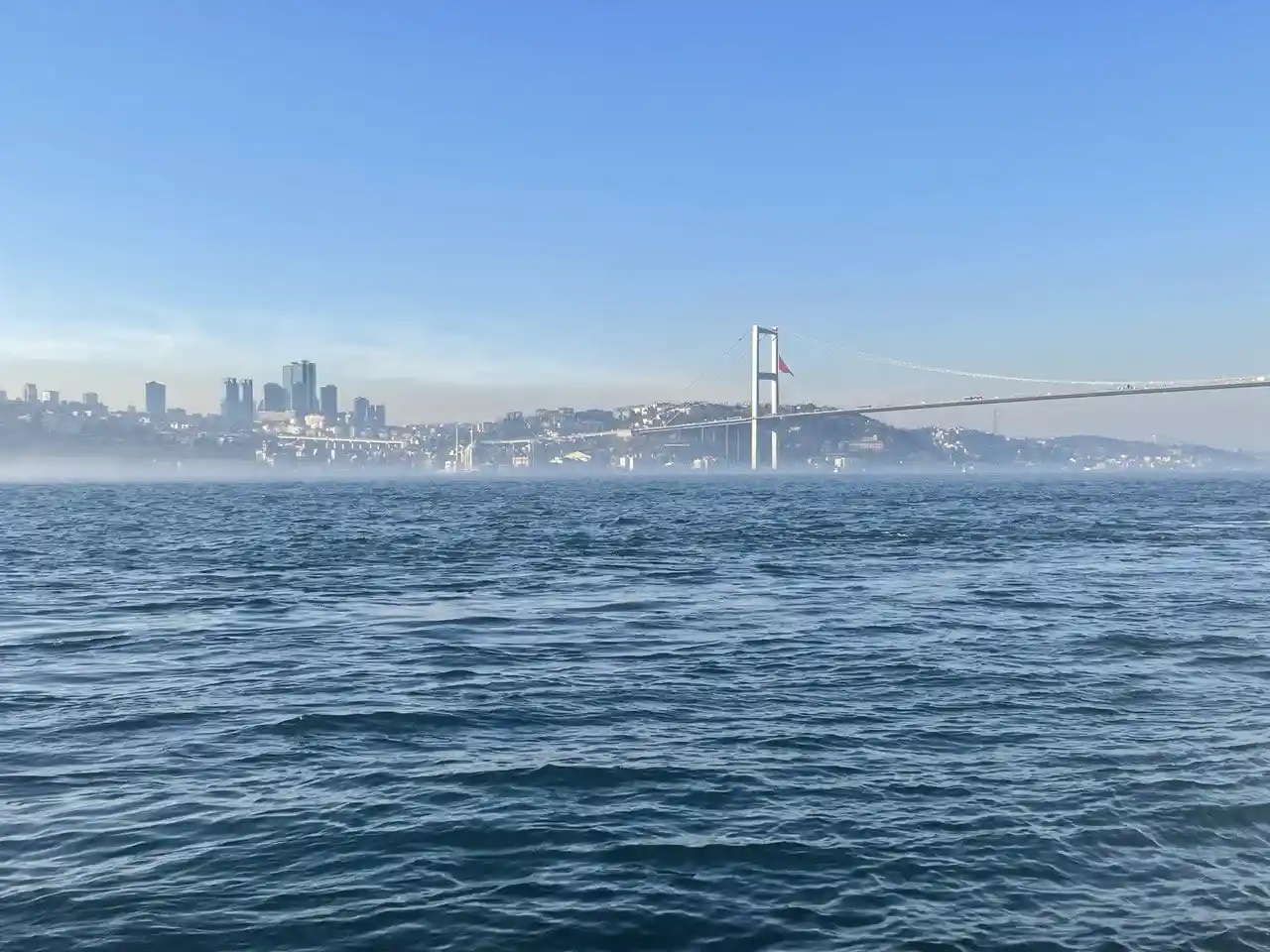
March can be unpredictable: chilly one day, warm the next. But by April, the cold is gone, and the city enjoys pleasant, mild weather. Light rain showers are rare, and sunshine dominates most days. It’s the perfect time to explore Istanbul’s parks, stroll through historic sites, or take a boat trip on the Bosphorus. A light jacket or windbreaker is all you need.
What to Expect in Istanbul During Spring:
- March: Early March can still be unpredictable—one day it’s chilly, the next it’s pleasantly warm. Temperatures range from +10°C to +15°C, with occasional rain showers. The first signs of blooming flowers appear.
- April: The weather stabilizes, with temperatures hovering between +15°C and +20°C. The city is vibrant with blooming tulips, especially during the Tulip Festival. Light jackets are ideal, as the days are mostly sunny, but evenings can still be cool.
- May: Temperatures rise to a comfortable +20°C to +25°C. The city is in full bloom, with roses and wisterias adding to the charm. The weather is perfect for outdoor activities, from exploring the Bosphorus to visiting the city’s parks and gardens.
The Blooming Season in Spring
Istanbul comes alive in spring with a stunning display of flowers. The magnolias are the first to bloom, sometimes as early as February. The most beautiful magnolia in the city can be found at Ihlamur Kasrı Park in Beşiktaş, where peacocks roam freely.
By April, the famous Tulip Festival begins. Emirgan, Gulhane and Goztepe parks are the best to see the tulips in full bloom.
Later in April, the Japanese Garden (Japon Bahçesi) near Emirgan is the place to see cherry blossoms. And as April ends, wisterias bloom, creating natural canopies, especially around Ortaköy Mosque. If you miss the tulips and sakura, don’t worry — May brings roses, blooming all over the city.
Ramadan in Istanbul
Also, don’t forget that Ramadan falls in March this year, making the city even more fascinating. There are only a couple of days when it’s not ideal to visit, but we’ve covered that in a separate article. Read more >>
Summer in Istanbul: June – August
Summer in Istanbul can be a great experience, but it’s not for everyone. The crowds and heat, especially in August with high humidity, can be overwhelming.
Weather in Summer
Summer in Istanbul is scorching. By June, temperatures hit +30°C, rising to +35°C in July and August. The humidity makes it feel hotter, making midday exploration tough. Stick to early mornings or late evenings. Lightweight clothing, a hat, and sunscreen are essential.
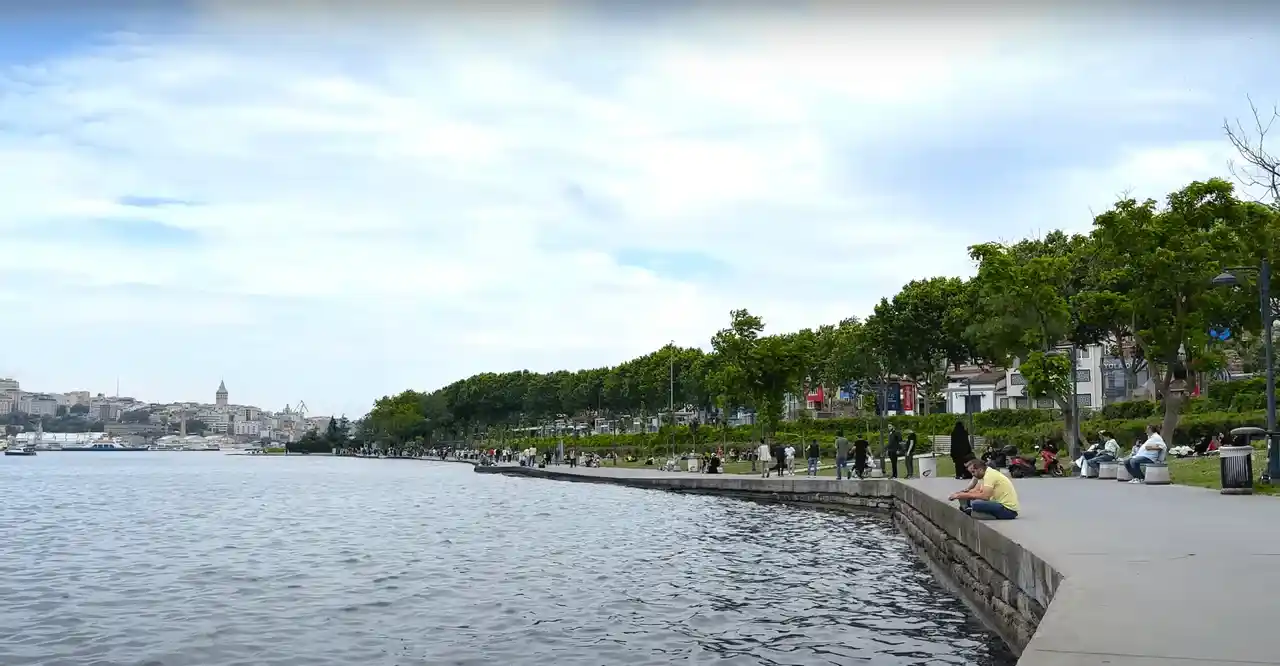
What to Expect in Istanbul During Summer:
- June: The temperature starts to climb, ranging from +20°C to +28°C. Early summer is pleasant, with long days and mild evenings. It’s a good time to explore the city before the peak tourist season hits.
- July: The city heats up significantly, with temperatures reaching +25°C to +30°C. July offers long, sunny days, perfect for sightseeing and outdoor activities, but the heat might be too intense for some, especially during midday.
- August: The hottest month, with temperatures soaring to +28°C to +35°C. High humidity makes the heat even more intense, which can be challenging if you’re not used to it. This is when the city is most crowded, and the prices for accommodations and services peak.
Beach Season
While Istanbul boasts some beaches, they are not convenient for a quick swim. The clean beaches in the northern part of the city are quite far and not easily accessible. If you’re determined to swim, Menekşe Beach in Sarıyer, Elmasburnu, Anadolu Feneri, and Riva in Beykoz offer options, but they require a longer journey. Read more >>

What Else to Expect?
- Fruits: Summer is the season to try fresh fruits and vegetables.
- Events and Festivals: Summer is packed with concerts, festivals, shows, exhibitions, and sports events.
- Long Days: July offers the longest daylight hours, ideal for exploring the city. You’ll have more time to visit attractions because of the summer schedule.
- Sales: Summer also marks the beginning of massive sales across Istanbul and Turkey. Many tourists come with one suitcase and leave with three!
- Extreme Heat: Summer’s weather is paradoxical, being both a pro and a con. The city gets truly hot in summer, which might be ideal for some but unbearable for others, especially those with heart conditions, respiratory issues, elderly tourists, and parents with infants.
- High Prices: Although Istanbul welcomes tourists year-round, summer tends to be the most expensive time to visit.
- Crowds: Museums, restaurants, tours, public transport, hotels, baths, and spas are all packed with people. Expect long lines at popular attractions like Galata Tower and Dolmabahçe Palace.
Autumn in Istanbul: September — November
Istanbul’s autumn brings a different atmosphere. The city slows down a bit after the busy summer season, making it a perfect time to explore without the crowds. Parks and gardens take on rich autumn colors!
Read also: Istanbul in Autumn: Things to Do, See & Wear, Weather and Events (2025)
Weather in Autumn
Early autumn in Istanbul is warm but more comfortable. The intense summer heat fades, and evenings become pleasantly cool. September is ideal for those who still want to swim and soak up the sun — local beaches and the Princes’ Islands are great spots. October suits those who prefer daytime walks without the heat. By evening, it’s refreshingly cool. November is quieter, with fewer tourists and shorter lines at popular sites. Daytime is cooler, and you’ll need warmer clothes at night.
Read our full guide about autumn here >>

What to Expect in Istanbul During Autumn:
- September: Days can reach up to +30°C, but evenings drop to around +15°C. The city stays mostly sunny, and the sea temperature hovers between +19°C and +23°C. Beaches are less crowded, more due to the end of summer holidays than the water being too cold.
- October: Daytime highs are around +20°C, with nights cooling down to +10°C. It’s mostly sunny, but occasional rain isn’t rare. Evenings are chilly, and daylight fades by 18:30.
- November: Daytime temperatures can still hit +20°C, but nights drop to +8°C. Average temperatures range between +12.9°C and +14°C.

What to Do in Autumn
Autumn in Istanbul is perfect for strolling. Fewer tourists, milder weather. In September, you can still swim, but by October, it gets cooler. Explore historic neighborhoods, enjoy the parks, and capture the beauty of golden leaves. The Princes’ Islands are a great choice for autumn too.
Bosphorus cruises are especially scenic with the city draped in fall colors. By November, when days are shorter, it’s nice to relax in cozy cafes or visit museums without the crowds.
Key Takeaways for the Year in Istanbul
- Winter (Dec – Feb): Cold and wet, fewer tourists. Perfect for indoor activities like museums, historic sites, and cozy cafes.
- Spring (Mar – May): Mild, blooming flowers, ideal for parks, outdoor strolls, and Bosphorus cruises.
- Summer (Jun – Aug): Hot and sunny. Great for beach trips outside the city, but avoid if sensitive to heat.
- Autumn (Sep – Nov): Warm early on, cooling down later. Ideal for outdoor exploration, with swimming only in early September.
Don’t Miss The Best Tours and Cruises in Istanbul
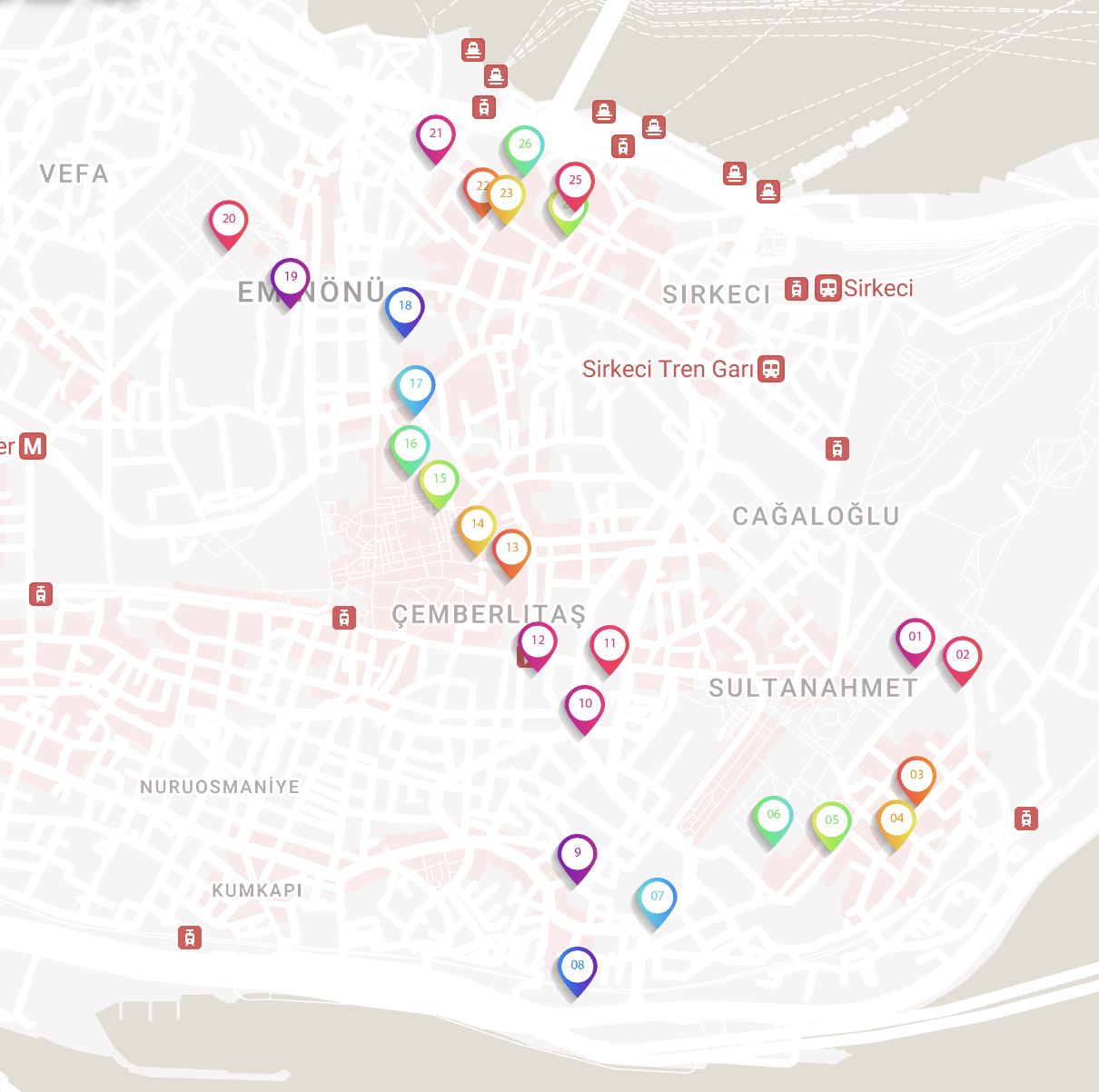
Old City Route – Istanbul
$9.99
★★★★★
A step-by-step guide to uncovering Istanbul’s hidden gems beyond Sultanahmet. Access the route via Google Maps and a handy PDF guide
Similar Posts
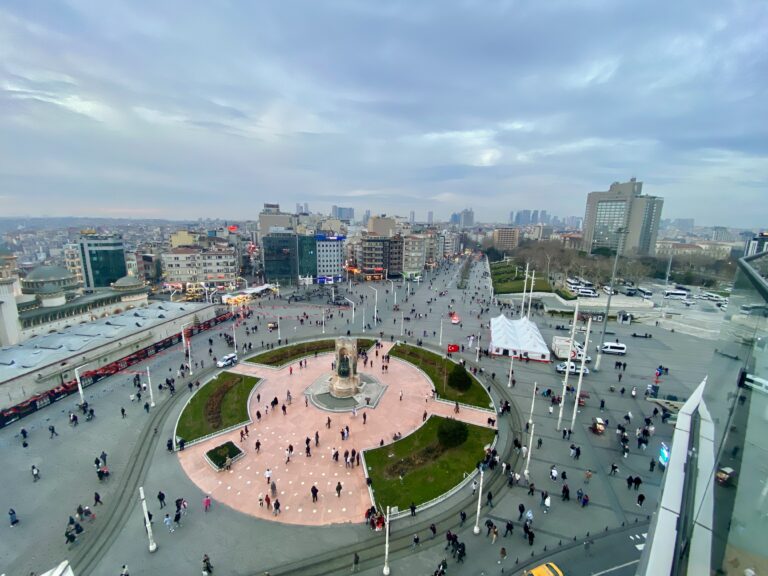
How to Get from Sabiha Gokcen Istanbul Airport (SAW) to Taksim and Back: Metro, Shuttle Bus, Transfer, Taxi (2025)
Save up to 70% with Istanbul E-Pass Pay Once and Have Free Attractions Entry for 7 days Save over 50% Are you planning to travel to Istanbul and wondering how to get from Sabiha Gokcen Airport to Taksim? Look no further, we have got you covered! In this article, we will provide you with comprehensive…
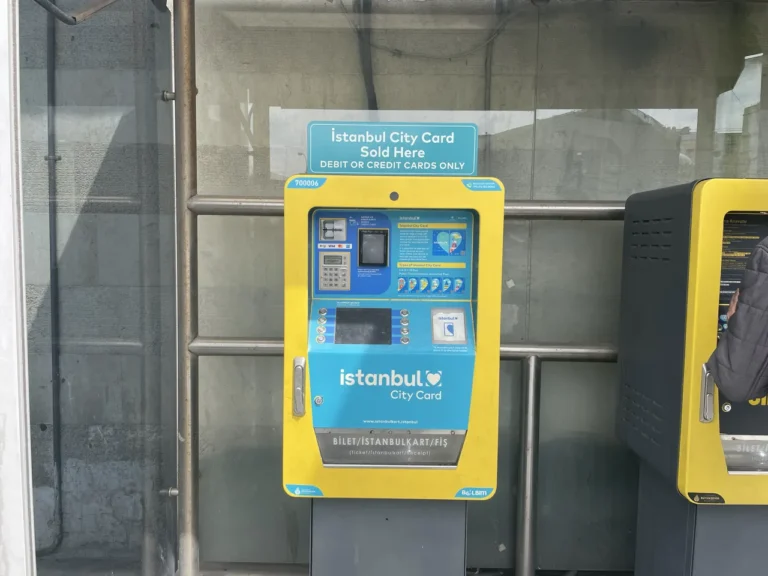
What is an Unlimited Istanbul Transportation Card?
Save up to 70% with Istanbul E-Pass Pay Once and Have Free Attractions Entry for 7 days Save over 50% Navigating Istanbul’s vast network of public transport can be a challenge for newcomers. But there’s a simple solution that can make your trip smoother: the Unlimited Istanbul Public Transportation Card. Here’s what you need to…
Best Day Trips from Istanbul: Explore the Outside Beauty in 24 hours
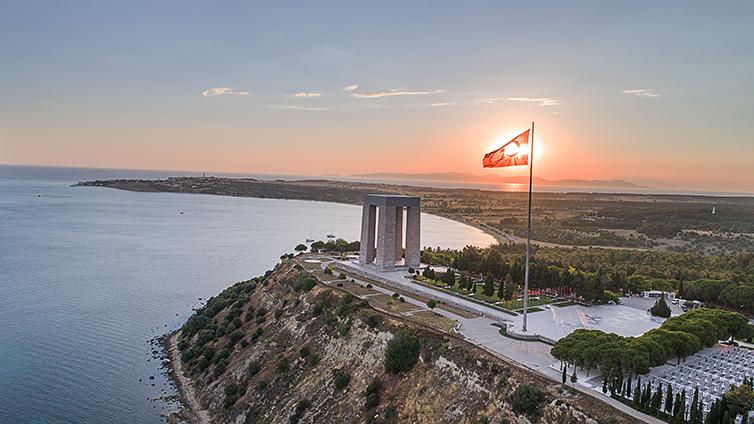
Save up to 70% with Istanbul E-Pass Pay Once and Have Free Attractions Entry for 7 days Save over 50% If you’re looking for a change of scenery from the hustle and bustle of Istanbul, then look no further. Istanbul is surrounded by incredible natural and cultural destinations that are perfect for a day trip….
Top Free Things to Do and See in Istanbul: Museums & Landmarks with Free Entry (2025)
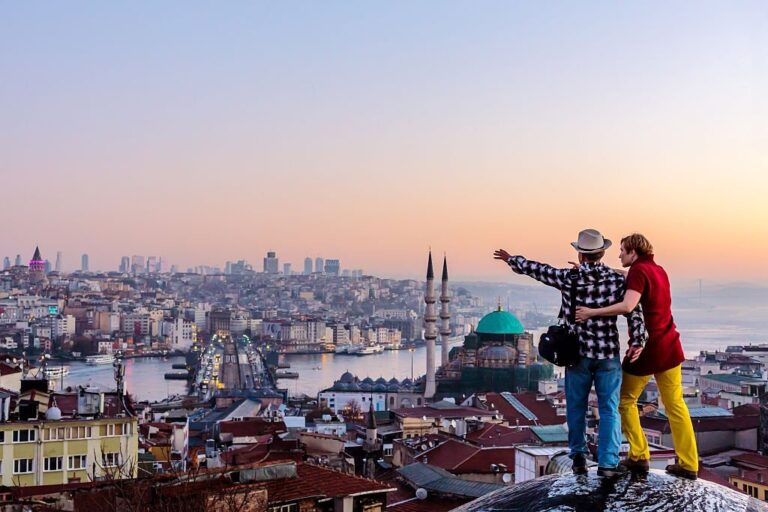
Save up to 70% with Istanbul E-Pass Pay Once and Have Free Attractions Entry for 7 days Save over 50% Welcome to Istanbul, a city that captivates visitors with its vibrant culture, rich history, and stunning architecture. If you’re looking for a budget-friendly way to experience this enchanting city, you’re in luck. Istanbul is home…

Free Hotel Room and Layover Tour on Turkish Airlines Flight at Istanbul Airport (IST)
Save up to 70% with Istanbul E-Pass Pay Once and Have Free Attractions Entry for 7 days Save over 50% Are you tired of long and boring layovers? What if we told you that you can turn your layover into an opportunity to explore a new city and get a free hotel room? Yes, you…

How to Get from New Istanbul Airport (IST) to Kadikoy and Back: Metro, Havaist Shuttle Bus, Transfer, and Taxi (2025)
Save up to 70% with Istanbul E-Pass Pay Once and Have Free Attractions Entry for 7 days Save over 50% Istanbul, the city that straddles two continents, is a melting pot of history, culture, and stunning landscapes. This guide will help you smoothly traverse the distance between Istanbul Airport (IST) and Kadikoy, the vibrant heart…