How to Make Turkish Coffee: Step-by-Step Recipe
Pay Once and Have Free Attractions Entry for 7 days
While the coffee plant originated in Ethiopia, it was the Sufi monks of Yemen who first turned coffee beans into a brewed beverage in the 15th century. The monks sought a way to stay awake during their long meditations, and the stimulating effects of caffeine made coffee their perfect companion.
In 1517, the Ottoman Empire conquered Yemen, and coffee quickly spread from the monasteries to the palaces of the sultans. The Ottomans were captivated by the rich aroma, bold flavor, and energizing qualities of coffee. The first public coffeehouse, known as “Kiva Han,” was established in Istanbul, offering this exotic beverage to the public.
🌯 Best Food Tours in Istanbul: Enjoy Street Food!
Istanbul: Taste of Two Continents Food Tour 🌟 4.9 / 5 (244 reviews)
Istanbul: Guided Food and Culture Tour 🌟 4.9 / 5 (245 reviews)
Istanbul: Guided Food Tour of Street Food and Markets 🌟 4.9 / 5 (245 reviews)
Istanbul 7-Hour Pub Crawl: Big Night Out 🌟 4.3 / 5 (130 reviews)
What is Turkish Coffee?
Turkish coffee is a traditional coffee drink enjoyed in Turkey and other parts of the Middle East, made by brewing finely ground coffee beans in a cezve, a small copper or brass pot. It’s known for its strong, bold flavor, and is typically served in small, handleless cups with a side of Turkish delight.
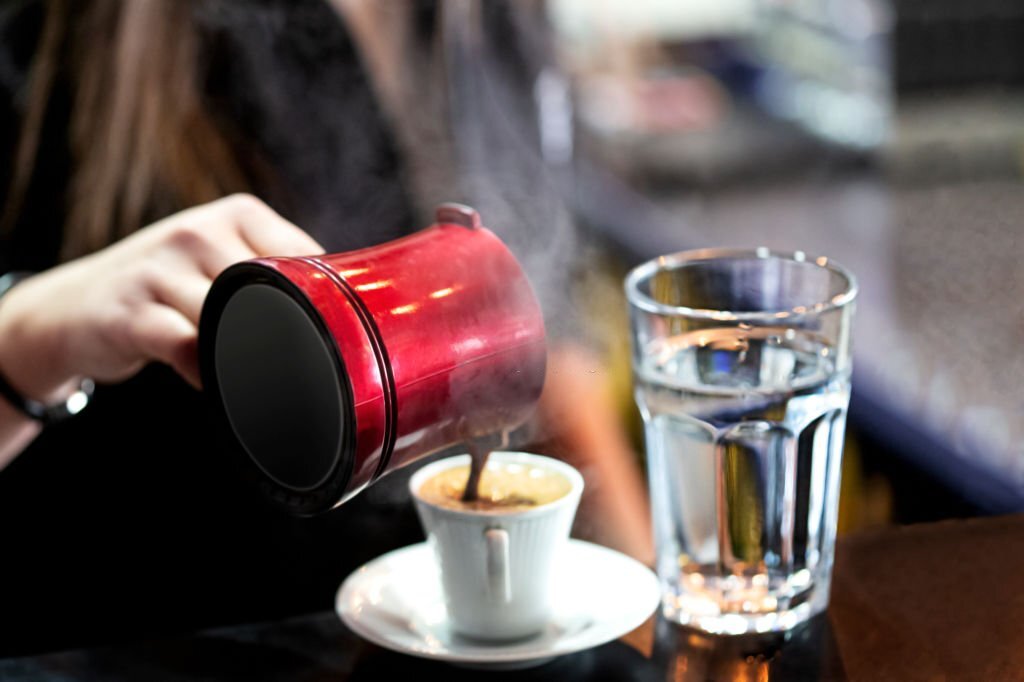
Step 1: Choosing the Right Pot for Turkish Coffee
Turkish coffee is traditionally brewed in a special pot called a cezve or ibrik. You can find cezves made from various materials like copper, stainless steel, ceramic, or metal-ceramic. The key is to choose a pot that is compatible with your stovetop and has the ideal shape: a wide base and a narrow neck. This design helps create the perfect foam. If you choose a copper cezve, ensure it has a silver or food-safe tin lining.
In Istanbul, cezves are widely available in supermarkets, markets, and speciality stores like Karaca and Pasabahce.
The pot should have a wide base that tapers towards the top, with a spout for easy pouring. The neck should be about 15-20% narrower than the base, which is crucial for forming the characteristic foam.
Cezves come in various sizes, from single-cup to larger pots that can brew 6 to 8 cups. However, it’s best to avoid using a pot larger than 300 ml, as it can result in under-extracted coffee with a less desirable flavor.

It’s important to leave some space in the cezve during brewing, but not too much. As the coffee brews, it will rise and form a foam. If the cezve is too large, the foam can burn along the edges, imparting a bitter taste. Properly brewed Turkish coffee is rich and thick, so keep a close eye on it while brewing—it can boil over quickly!
For added flavor, you can mix in sugar and spices like cardamom, cinnamon, or anise. Just remember the general rule: add dry ingredients (spices) to the ground coffee, and liquid ones (like syrup) to the water.
Don’t Miss The Best Tours and Cruises in Istanbul
Step 2: Selecting the Coffee
You can use any variety of coffee beans for brewing in a cezve—the choice is entirely up to your taste. Don’t be afraid to experiment with robusta beans, which work well in a cezve. You can also try different roast levels, from light to dark, depending on your preference.
There is some debate about whether to stir the coffee during brewing. Some believe that stirring after removing the pot from the heat results in a cleaner cup, as the sediment settles to the bottom. Others argue that each cup should have an equal amount of foam. Whether to stir or not is a matter of personal preference, but if you do, it should only be done at the final stage of brewing.
Find where to buy coffee accessories in Istanbul >>
How to Make Turkish Coffee at Home: Steep-by-Ster Recipe

Turkish Coffee at Home
Ingredients for Turkish Coffee
160 ML of clean drinking water (mineralization between 50-150 ppm, room temperature)
2 teaspoons of finely ground Turkish coffee
2 teaspoons of white sugar (optional) or syrup
Nutritional Information (Per Serving)
- Calories: 11 kcal
- Protein: 0 g
- Fat: 0 g
- Carbohydrates: 2 g
These guidelines are just a starting point—feel free to adjust them to suit your taste!
What You’ll Need
- Clean drinking water (mineralization between 50-150 ppm, room temperature)
- A coffee grinder for a fine grind (similar to “extra salt”)
- A scale for measuring ingredients
- A cezve
- Freshly roasted coffee
For a balanced brew, we recommend a coffee-to-water ratio of 1:10 (20 g of coffee to 200 ml of water). This is a basic proportion, but you can adjust it depending on the grind size and roast level.
The ratio affects the flavor intensity and texture; more coffee will make the drink stronger and more vibrant, but be careful not to overdo it, as it can become too bitter. When calculating, consider the volume of your cezve and fill it up to the narrowing point.
Step-by-Step Turkish Coffee Brewing Instructions
- Measure and Grind Weigh the desired amount of coffee and grind it to a fine consistency, similar to powdered sugar. If you don’t have a scale, a rough estimate is that 10 grams of coffee beans fit in the palm of your hand.
- Add Coffee and Sugar Place the ground coffee into the cezve and gently shake it to distribute the coffee evenly. If you prefer sweetened coffee, add the desired amount of sugar at this stage.
- Add Water Pour clean, room-temperature drinking water into the cezve, filling it up to the narrowest part of the pot.
- Heat the Cezve Place the cezve on the stove and heat it over medium heat (setting 5 out of 9 on most stoves). The brewing time varies depending on the size of the cezve: for a smaller pot (100-150 ml), 2-4 minutes is ideal; for a larger pot (150-300 ml), 3-5 minutes should be sufficient. Keep in mind, the longer the coffee brews, the denser the texture will be.
- Watch the Coffee Keep a close eye on the coffee as it heats. As soon as it starts to rise and foam, remove the cezve from the heat immediately to prevent it from boiling over. The goal is to capture the rich foam without letting it spill.
- Stir and Serve After removing the cezve from the heat, gently stir the foam and carefully pour the coffee into cups, ensuring an even distribution of the foam. Enjoy your perfectly brewed Turkish coffee!
Turkish Coffee and Turkish Delight
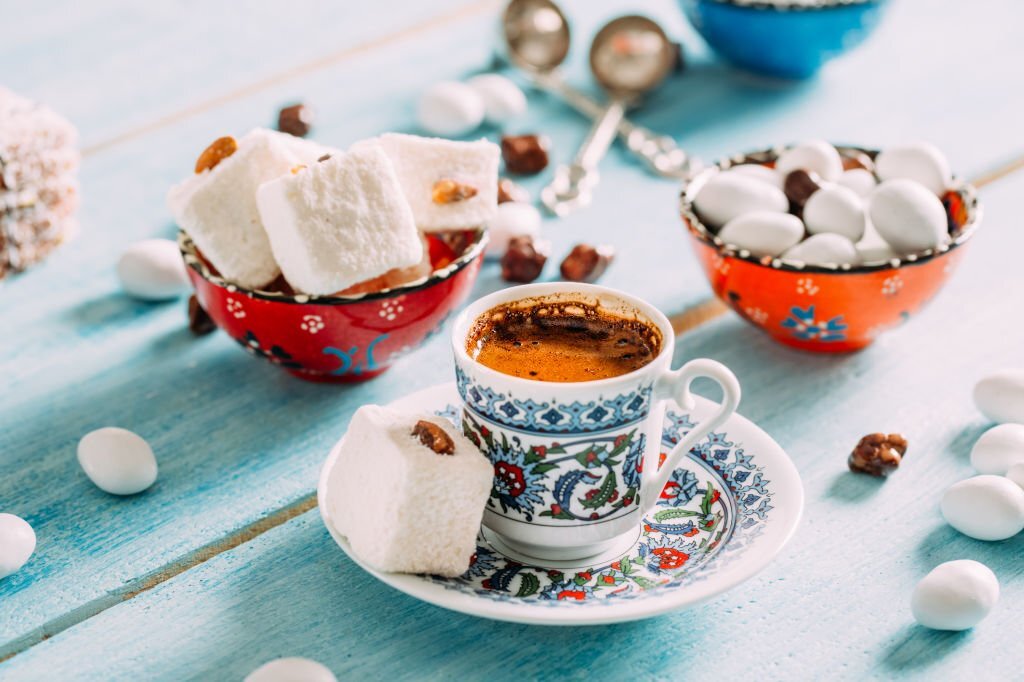
Turkish delight is a sweet, chewy confection made with sugar, cornstarch, and flavorings like rosewater or pistachio. It’s the perfect pairing for Turkish coffee, providing a sweet contrast to the strong, bitter flavors. Read more…
Best Places to Buy Turkish Coffee in Istanbul
Istanbul is home to countless coffee shops, cafes, and street vendors serving traditional Turkish coffee. Here are some of the best places to find Turkish coffee in Istanbul:
Best Coffee Shops and Cafes in Istanbul
- Mandabatmaz: a cozy cafe in the Beyoğlu neighborhood known for its rich and delicious Turkish coffee.
- Fazil Bey: a historic coffee shop in the Kadikoy neighborhood serving some of the best Turkish coffee in the city.
- Check for More >>
Best Street Vendors and Market Selling Turkish Coffee
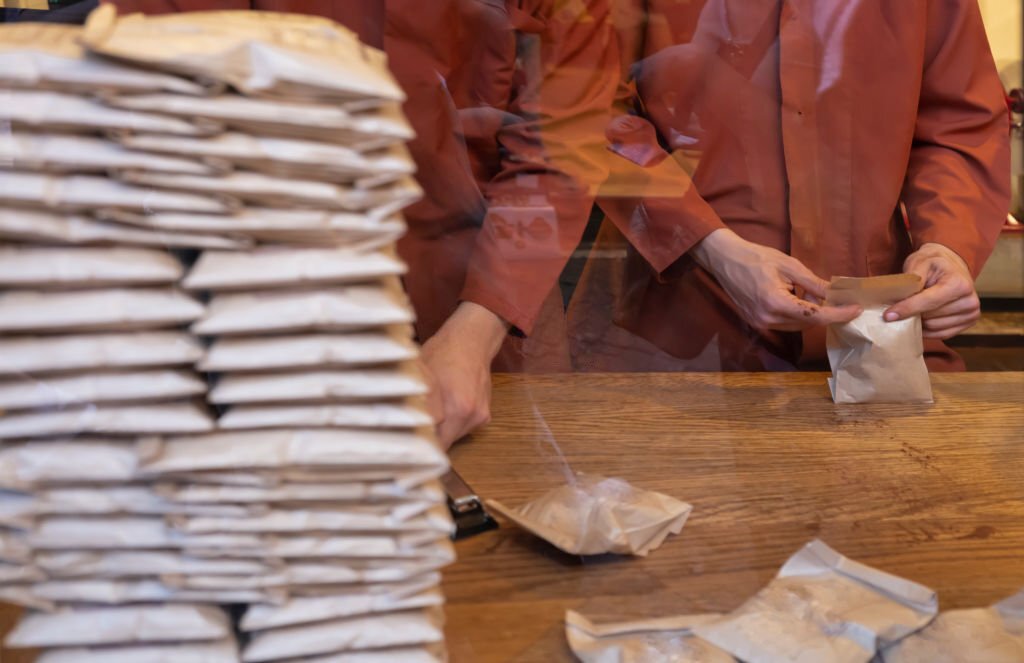
- Spice Bazaar: a historic market in the Eminonu neighborhood with dozens of vendors selling traditional Turkish coffee blends.
- Grand Bazaar: a massive indoor market in the Beyazit neighborhood with hundreds of vendors selling everything from Turkish coffee to spices to textiles.
Where to Buy Turkish Coffee in Istanbul
- Kurukahveci Mehmet Efendi : one of the oldest and most famous Turkish coffee brands, with a flagship store in the Eminonu neighborhood.
- Nuri Toplar: a local coffee roaster with several locations throughout the city, offering a wide selection of high-quality coffee blends.
Turkish Coffee Sets and Machines
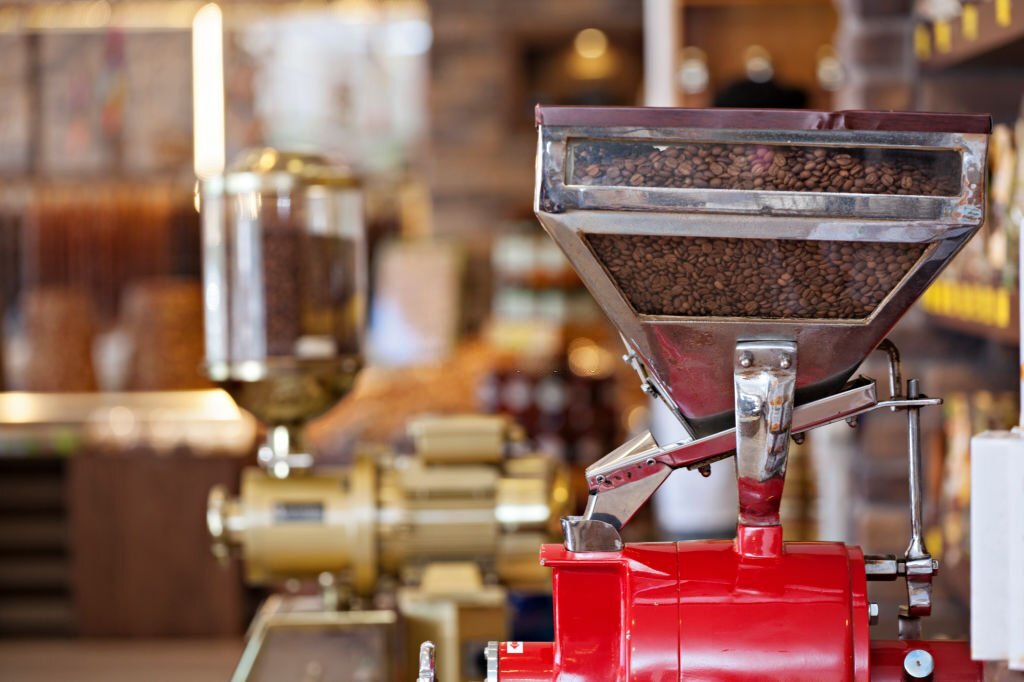
What is a Turkish Coffee Set?
A Turkish coffee set typically includes a cezve, small cups, and a serving tray. Some sets also come with Turkish delight or other accessories.
Where to Find the Best Turkish Coffee Sets and Machines in Istanbul
You can find Turkish coffee sets and machines at local markets and bazaars, as well as online stores like Kahve.com, Hepsiburada and Karaca and Paşabahçe.
Don’t Miss The Best Tours and Cruises in Istanbul
Old City Route – Istanbul
$9.99
★★★★★
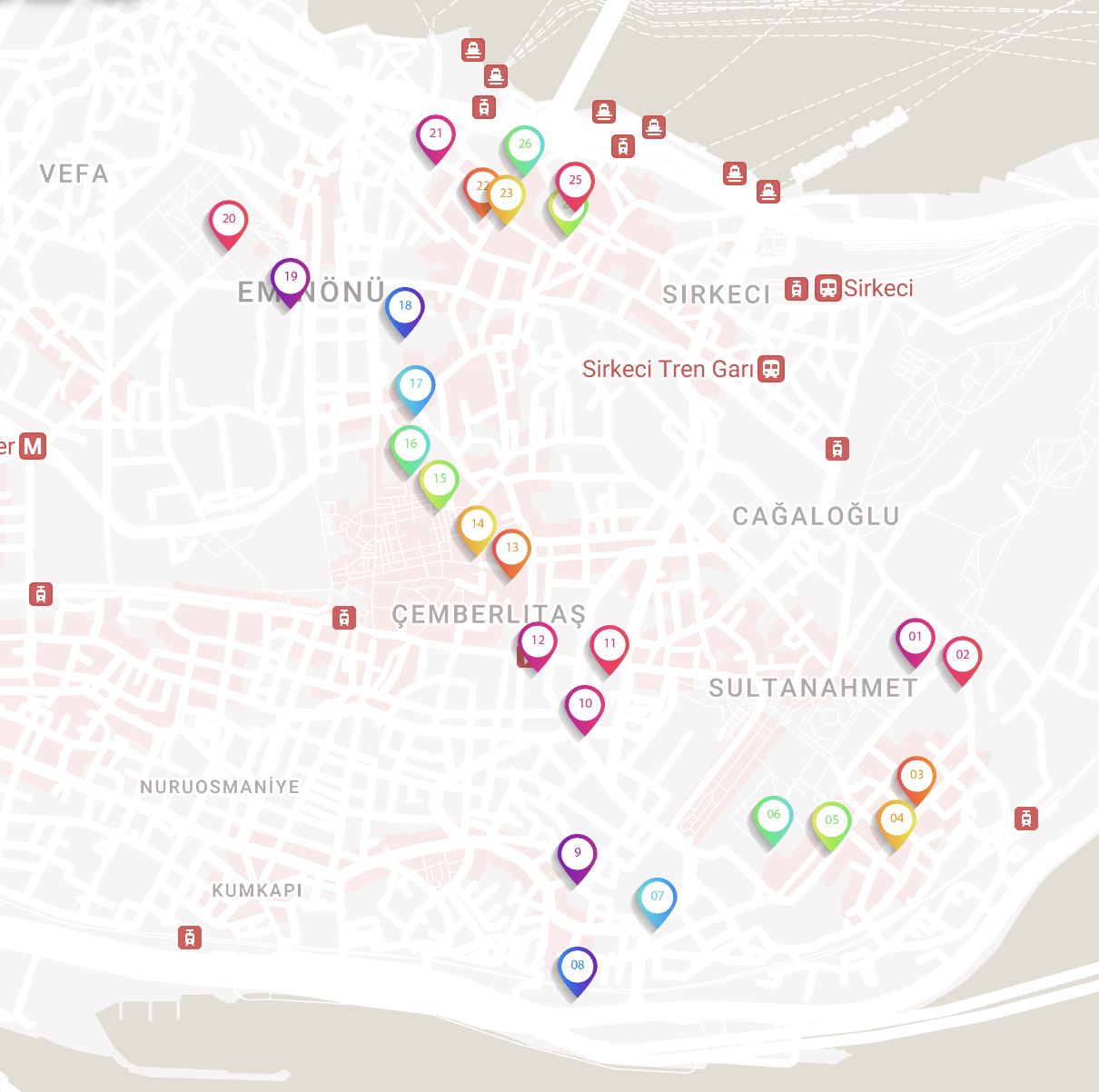
A step-by-step guide to uncovering Istanbul’s hidden gems beyond Sultanahmet. Access the route via Google Maps and a handy PDF guide
Similar Posts

Best Turkish Breakfast in Sultanahmet and Eminonu, Istanbul: 2024 Guide
Save up to 70% with Istanbul E-Pass Pay Once and Have Free Attractions Entry for 7 days Save over 50% If you’re planning a trip to Istanbul and you’re a breakfast enthusiast, you’re in for a treat! The bustling neighborhoods of Sultanahmet and Eminonu are home to Some of the best Turkish breakfast spots in…
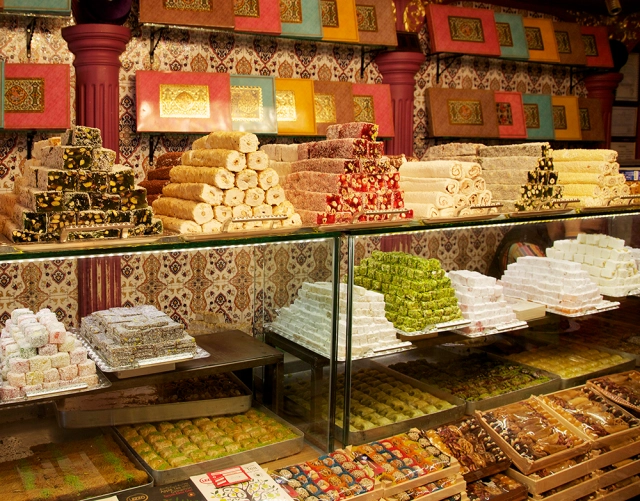
Discovering Turkish Sweet Shops in Istanbul: Best Desserts Stores
Save up to 70% with Istanbul E-Pass Pay Once and Have Free Attractions Entry for 7 days Save over 50% Istanbul, a city steeped in history and culture, is also home to a treasure trove of mouthwatering desserts. With a diverse array of Turkish sweets, famous sweet shops in Turkey are waiting to tantalize your…
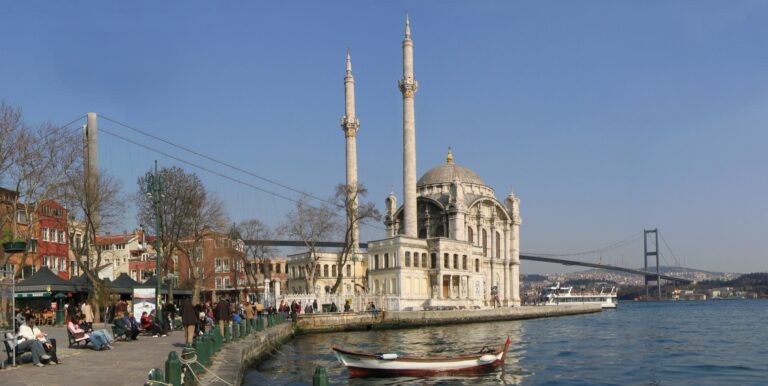
Top Things to Do, See, and Eat in Ortakoy, Istanbul: Cafes, Food, and Restaurants (2025)
Save up to 70% with Istanbul E-Pass Pay Once and Have Free Attractions Entry for 7 days Save over 50% If you’re looking for a unique Istanbul experience, Ortakoy is a must-visit destination. Located on the European side of Istanbul, this charming neighborhood is famous for its picturesque Ortakoy Square, vibrant nightlife, delicious street food,…
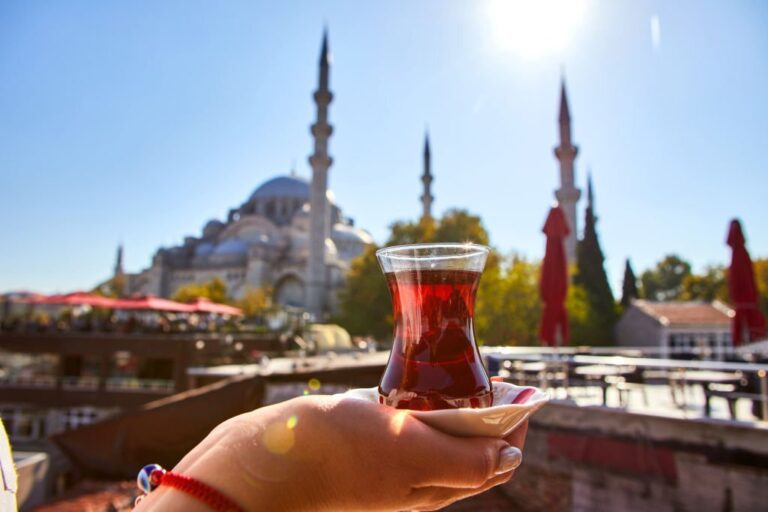
Turkish Tea: How to Make, Benefits, Where to Buy and to Drink in Istanbul (2025)
Save up to 70% with Istanbul E-Pass Pay Once and Have Free Attractions Entry for 7 days Save over 50% Istanbul, the capital of Turkey, is known for its rich history, beautiful architecture, and bustling street markets. But one of the things that truly sets Istanbul apart is its love of tea. Turkish tea is…
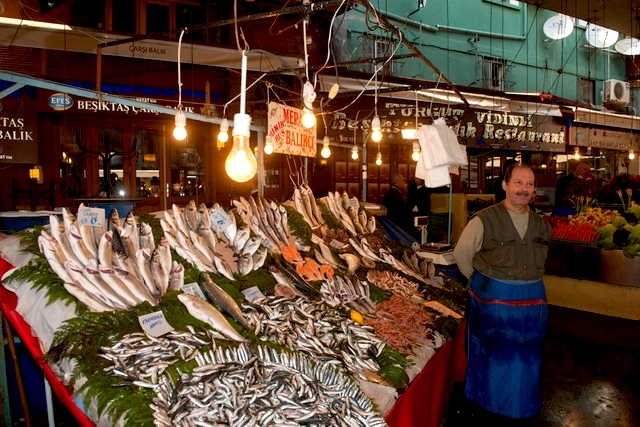
Best Fish Markets in Istanbul: Where to Buy Seafood, Salmon, and Shrimps (2025)
Save up to 70% with Istanbul E-Pass Pay Once and Have Free Attractions Entry for 7 days Save over 50% Istanbul, a city straddling two continents, is known for its rich history, breathtaking architecture, and vibrant culinary scene. At the heart of this culinary landscape lies the bustling fish markets, where locals and tourists alike…
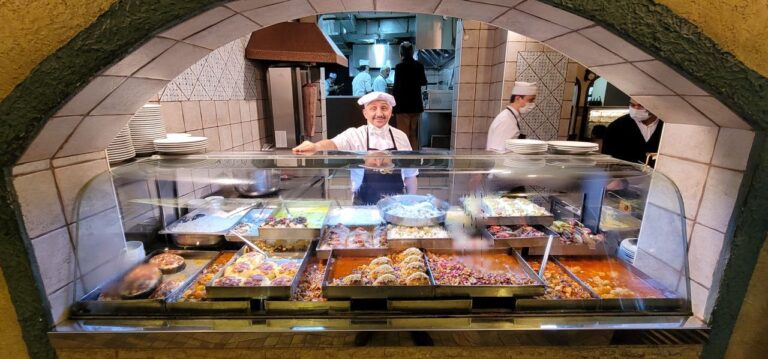
Where to Eat on Grand Bazaar: Cafes, Restaurants, Doner, Drinks, and Sweets (2025)
Save up to 70% with Istanbul E-Pass Pay Once and Have Free Attractions Entry for 7 days Save over 50% The Grand Bazaar in Istanbul is not only a sprawling labyrinth of shops and stalls, but also a treasure trove of culinary delights waiting to be discovered. As a hub of commerce and cultural exchange…