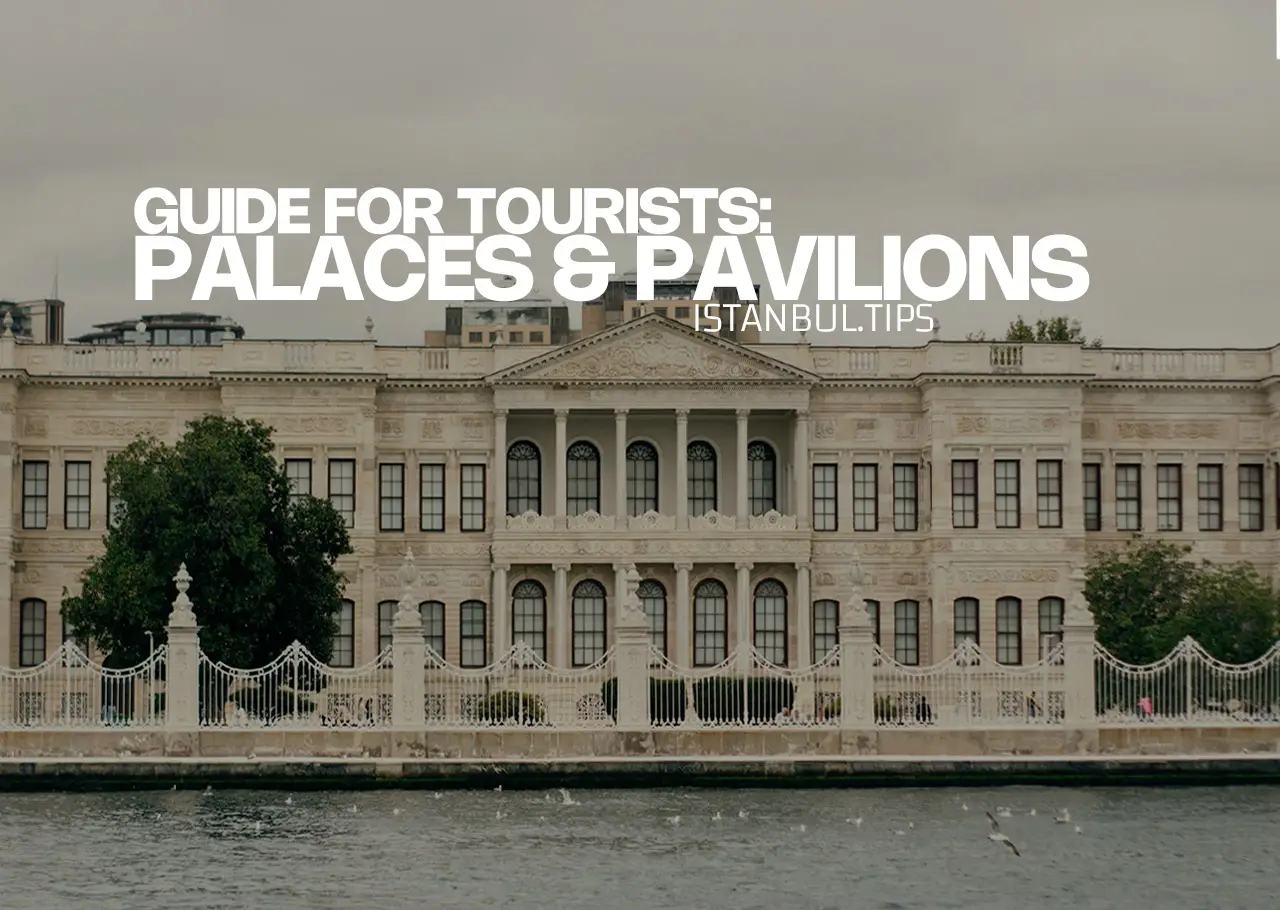
Palaces & Pavilions in Istanbul: Full Tourist Guide (2025)
Pay Once and Have Free Attractions Entry for 7 days
Istanbul’s palaces and pavilions reveal the city’s layered history, from the grandeur of the Byzantine era to the opulence of the Ottoman Empire. Here’s a guide about these iconic structures, including their history and architecture.
Palaces vs. Pavilions
- Palaces: These were the main residences and administrative centers for Ottoman sultans. Palaces like Topkapı and Dolmabahçe served as seats of power, complete with expansive complexes, grand halls, and official chambers.
- Pavilions: Smaller and more intimate, pavilions like Ihlamur and Maslak were often used for leisure, hunting, or special occasions. They served as retreats rather than full-time residences.
🛳️ Don’t Miss Famous Bosphorus Cruises
Istanbul: Bosphorus Dinner Cruise & Show with Private Table 🌟 4.8 / 5 (13369 reviews)
Istanbul: Sunset or Daytime Yacht Tour w/AudioGuide & Snacks 🌟 4.9 / 5 (1239 reviews)
Topkapı Palace
- Ticket Price: 2000 TL (with Harem), 750 TL for Harem only
- Location: Cankurtaran, 34122 Fatih/İstanbul, Türkiye
- Closed: Tuesdays
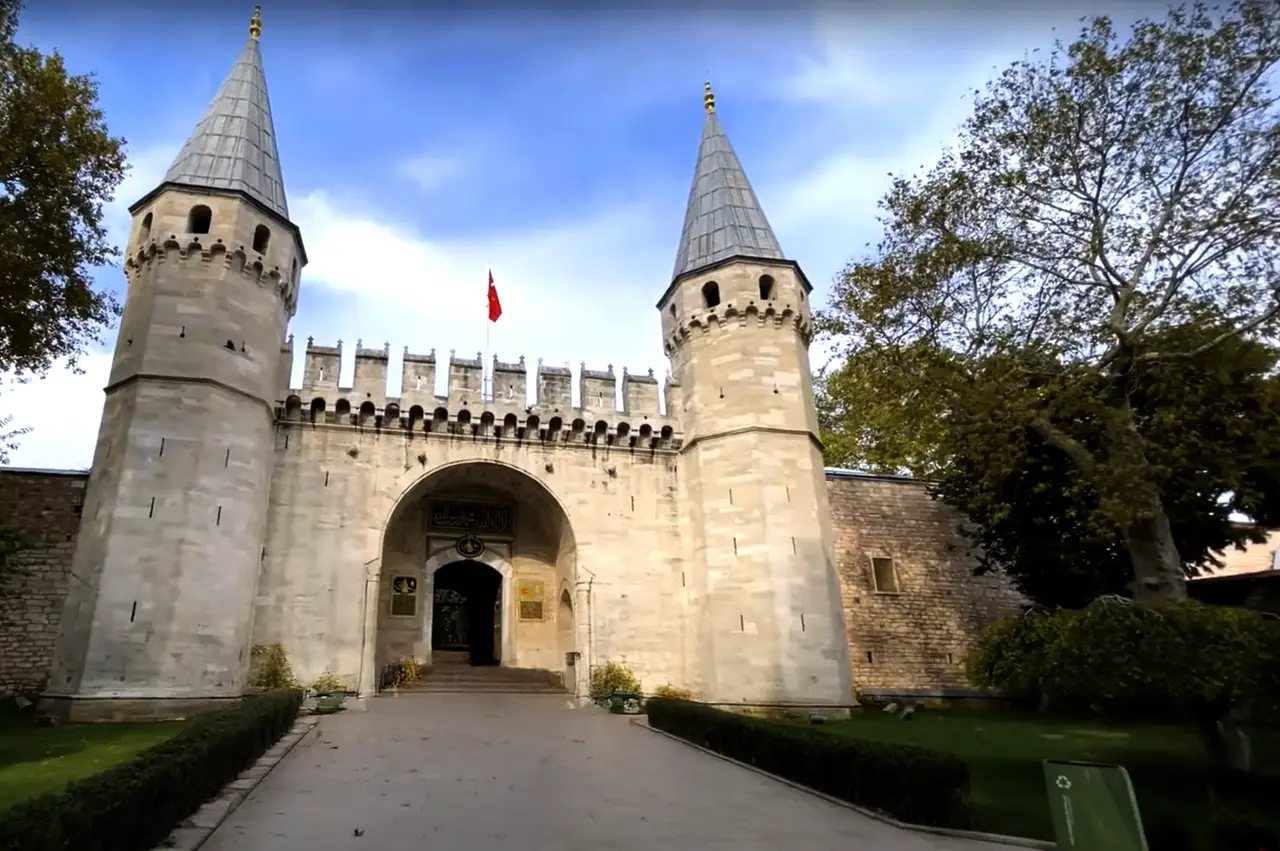
Topkapı Palace is a monumental symbol of Ottoman power, serving as the empire’s administrative and residential center from 1465 to 1853. It stands on a promontory overlooking the Bosphorus, Golden Horn, and Marmara Sea.
The palace complex is vast, consisting of multiple courtyards, pavilions, and private chambers. It housed not only sultans but also their families, court officials, and guards.
Key Sections
- First Court: Also known as the Court of the Janissaries, this open area welcomes visitors with the Fountain of Sultan Ahmet III, a fine example of rococo architecture built in 1728. The Hagia Eirene church, one of the oldest Byzantine churches, also stands here, reflecting the historical continuity of the site from Byzantine to Ottoman rule.
- Second Court: Accessed through the Middle Gate (Ortakapı), this courtyard was used for official ceremonies. It features the Imperial Council Chamber, where the grand vizier and other high-ranking officials conducted state affairs. The Palace Kitchens, recently restored, display a vast collection of porcelain, utensils, and other artifacts, including Chinese celadon believed to detect poison.
- Third Court: This was the private domain of the sultan, accessed through the Gate of Felicity. It includes the Audience Chamber, where the sultan received foreign envoys. The Library of Ahmet III, built in 1719, is another highlight, known for its elegant woodwork and serene reading spaces. Nearby, the Dormitory of the Privy Chamber holds portraits of 36 sultans.
- The Harem: One of the most intriguing parts of Topkapı, the Harem was the private living quarters of the sultan’s family. Contrary to popular myth, it was not a place of unrestrained debauchery but was governed by strict protocols. It included schools where concubines learned court etiquette, music, and arts. The Apartments of the Valide Sultan were the most powerful rooms, where the sultan’s mother wielded significant influence. The Golden Road was a private passage connecting various parts of the Harem to the outer palace.
- Imperial Treasury: The Treasury holds a collection of jewel-encrusted artifacts, including the famous Topkapı Dagger and the 86-carat Spoonmaker’s Diamond. Items here reflect the wealth and power of the empire, with gold, emeralds, and pearls used in abundance.
Sultan Mehmet II (Mehmet the Conqueror) began construction of Topkapı after the conquest of Constantinople in 1453. It remained the main seat of power until the sultans moved to Dolmabahçe Palace in the mid-19th century.
Don’t spend your time waiting in lines, book your tickets to Topkapi Palace online! Here are guided tours with skip-the-line tickets we recommend:
- Tickets for Topkapi Palace Tour: Skip The Line Entry + Guided Tour: Live guide in English, Entry Ticket + Audio Guide in Arabic, Chinese, English, German, Italian, Polish, Russian, Spanish, Turkish (bring your own headphones)
- Istanbul: Topkapi Palace Guided Tour and Skip The Line: 1-hour tour + skip-the-line tickets.
- Istanbul: Skip-the-line Topkapi Palace & Harem Tour with Entry Ticket: 3-hour tour in English including Harem.
Don’t Miss The Best Tours and Cruises in Istanbul
Dolmabahçe Palace
- Ticket Price: 1500 TL (Harem, Selamik, National Palaces Painting Museum included)
- Location: Vişnezade, Dolmabahçe Cd., 34357 Beşiktaş/İstanbul, Türkiye
- Closed: Mondays
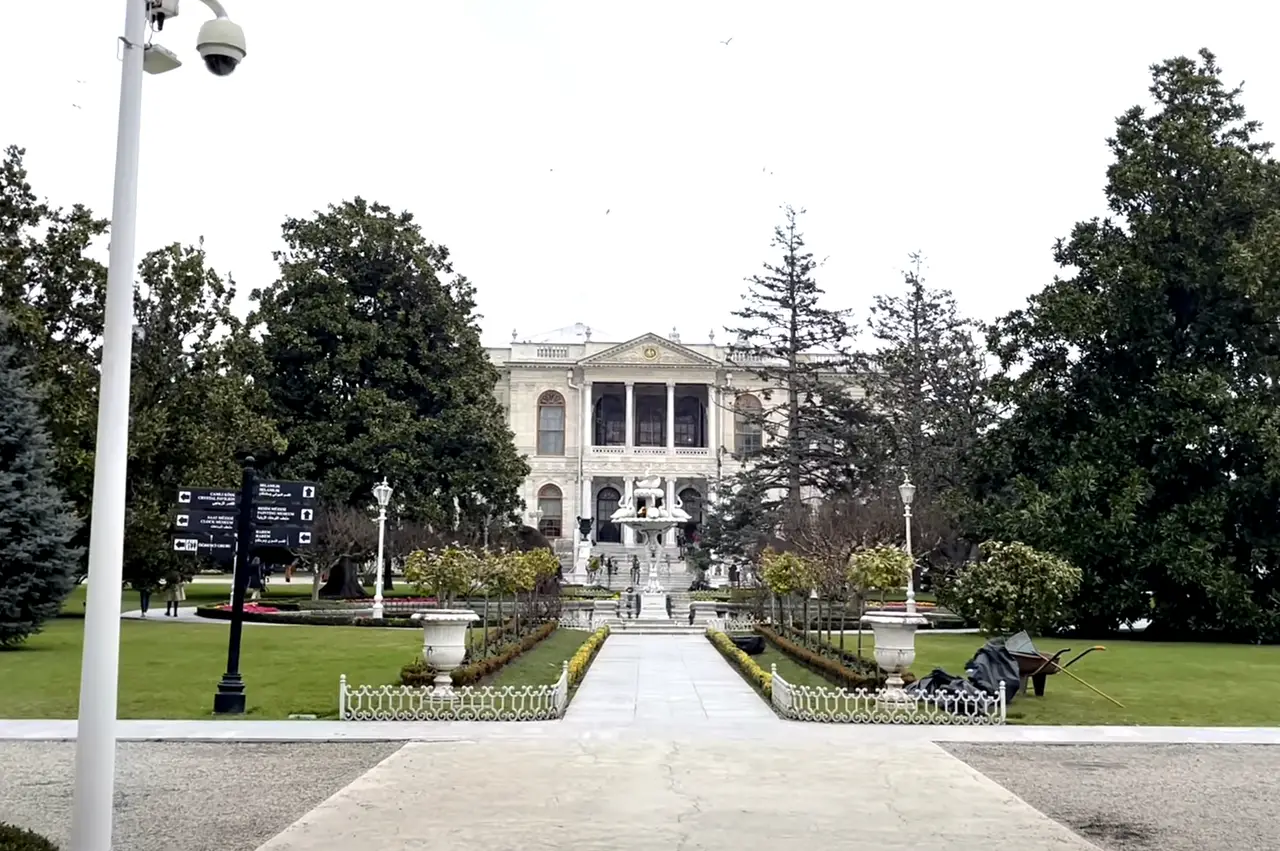
Built between 1843 and 1856 by Sultan Abdülmecid I, Dolmabahçe was the first European-style palace in Istanbul, replacing Topkapı as the primary residence of the sultans. It is renowned for its lavish interiors, which blend Baroque, Rococo, and Neoclassical styles with traditional Ottoman elements.
Key Sections
- Selamlık (Ceremonial Hall): This part of the palace was used for official state functions. The Crystal Staircase, made of Baccarat crystal, brass, and mahogany, is one of its most striking features. The palace’s main hall contains the world’s largest Bohemian crystal chandelier, weighing 4.5 tons.
- Harem: A private area where the sultan’s family resided. More restrained in design compared to the Selamlık, it still carries elegance and grace. It includes the Valide Sultan’s quarters and rooms for the sultan’s wives, concubines, and children.
- National Palaces Painting Museum: The former apartments of the crown prince, now converted into a museum housing a fine collection of Ottoman and European paintings.
Dolmabahçe reflects the modernization of the Ottoman Empire during the Tanzimat period. The sultan’s move from Topkapı to Dolmabahçe marked a shift towards a more open, European-style governance. Mustafa Kemal Atatürk, the founder of modern Turkey, also spent his last days here, and his room has been preserved as a museum.
Beylerbeyi Palace
- Ticket Price: 600 TL
- Location: Beylerbeyi Mah. Abdullah Ağa Cad. No:12, Beylerbeyi/Üsküdar
- Open: 9:00 AM – 5:30 PM, Closed on Mondays
Built between 1861 and 1865 under Sultan Abdülaziz, Beylerbeyi served as a summer residence and a guesthouse for visiting dignitaries, including Empress Eugénie of France. The palace combines baroque, neoclassical, and Renaissance styles, yet maintains traditional Ottoman elements like the harem.
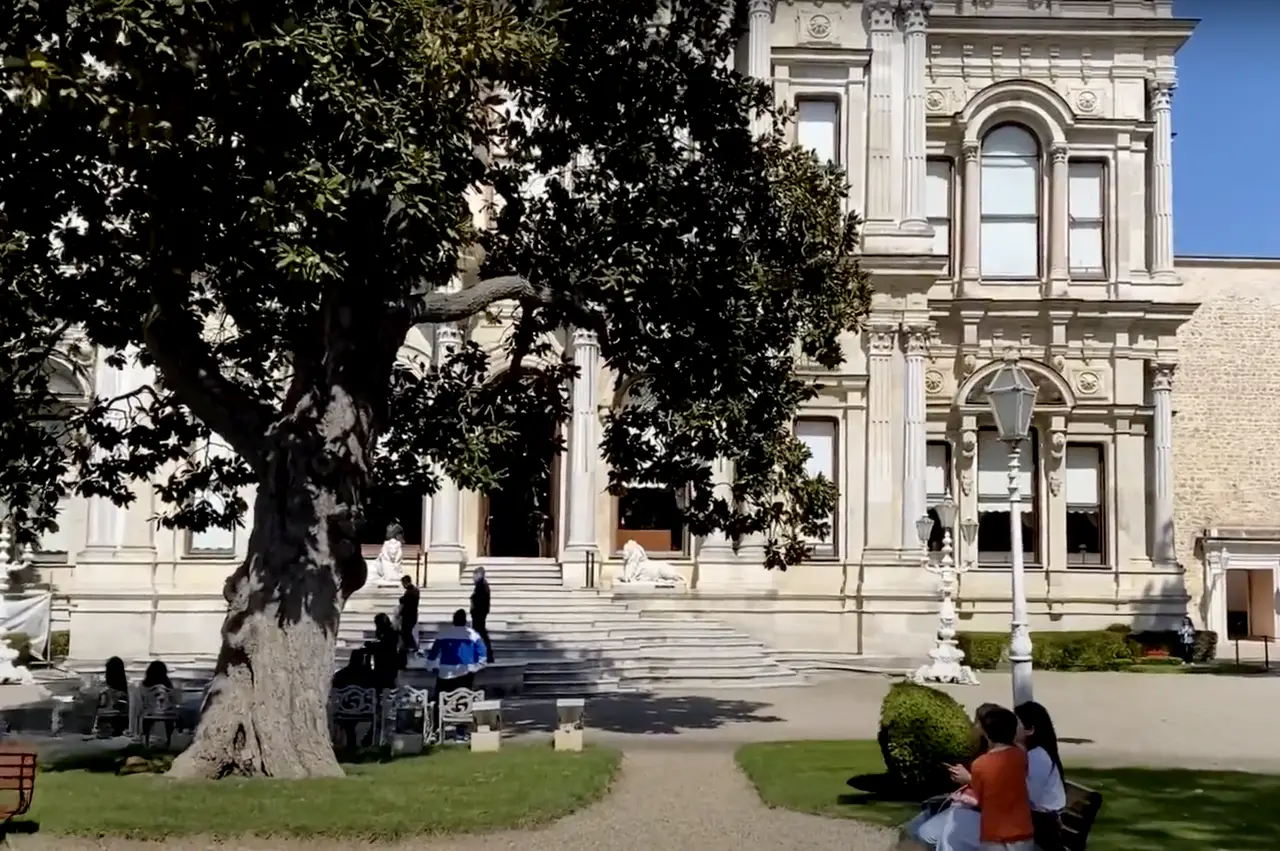
- Interiors: Featuring French crystal chandeliers, European-style furniture, and mother-of-pearl inlay, it showcases the sultans’ taste for blending East and West.
- Gardens: The palace’s terraced gardens, with their tunnels and fountains, offer spectacular views of the Bosphorus.
Ihlamur Pavilion
- Ticket Price: 200 TL
- Location: Teşvikiye, Nişantaşı Ihlamur Yolu Sk., 34357 Şişli/İstanbul, Türkiye
Located in a peaceful spot between Beşiktaş, Nişantaşı, and Yıldız, Ihlamur Pavilion was built for Sultan Abdülmecid between 1849 and 1855.
The complex was designed for day trips and private events, hosting poets, artists, and diplomats. It’s located in a serene valley, surrounded by linden and plane trees, providing an escape from the busy city. The two main structures are:
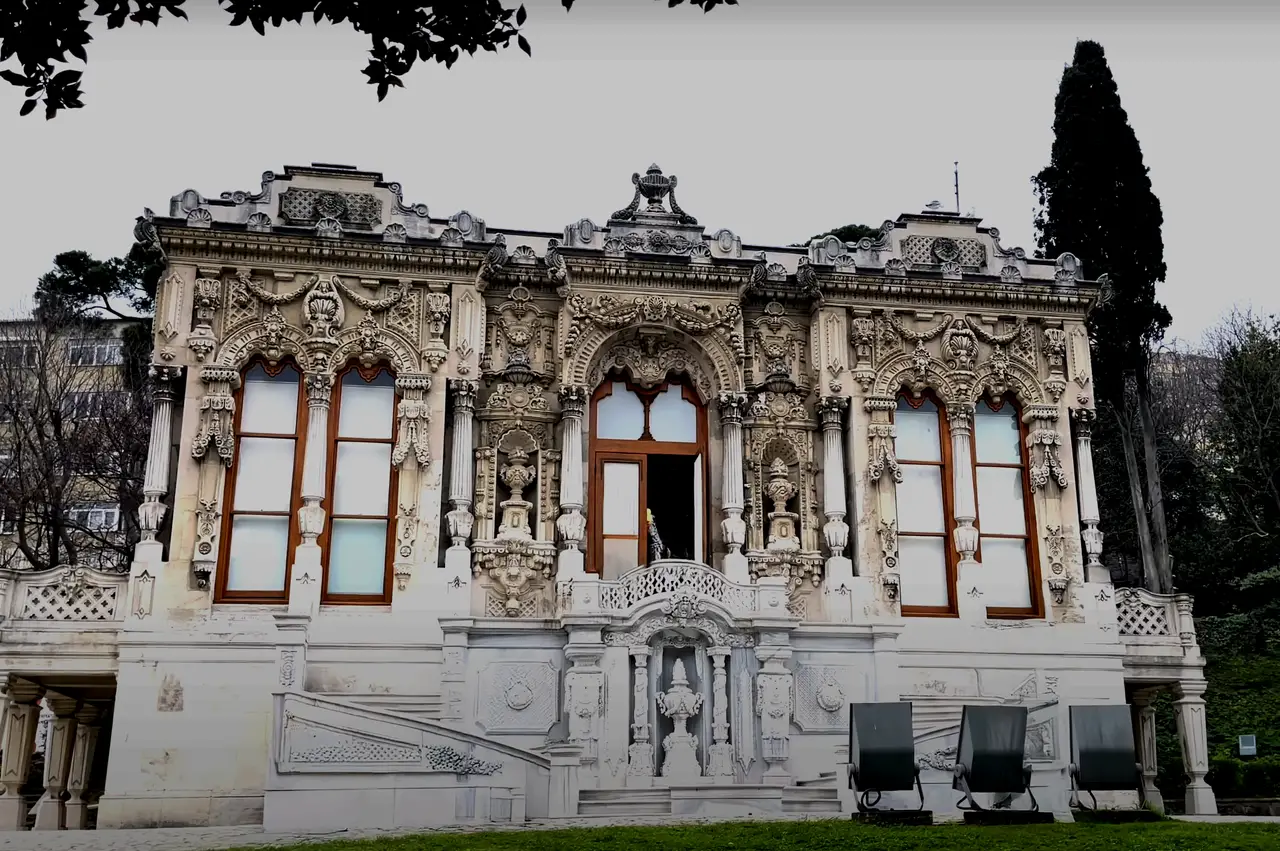
- Merasim Köşk (Ceremonial Pavilion): Built in baroque style, it was used for official receptions. Its elaborate design, with plaster reliefs imitating marble, reflects the European influence of the period.
- Maiyet Köşk: Designed for the sultan’s entourage, this smaller pavilion features simpler but colorful interiors. It is now a café, preserving its historical charm.
Yıldız Palace
- Ticket Price: 850 TL
- Location: Yıldız, Sarayı, 34349 Beşiktaş/İstanbul, TürkiyeBeşiktaş
- Closed on Mondays
Yıldız Palace holds a unique place as the last palace built by the Ottomans. Sultan Abdülhamid II moved the empire’s administrative center here from Dolmabahçe in the late 19th century, making it his home for 33 years. The palace complex, sprawling over 500,000 square meters, includes:
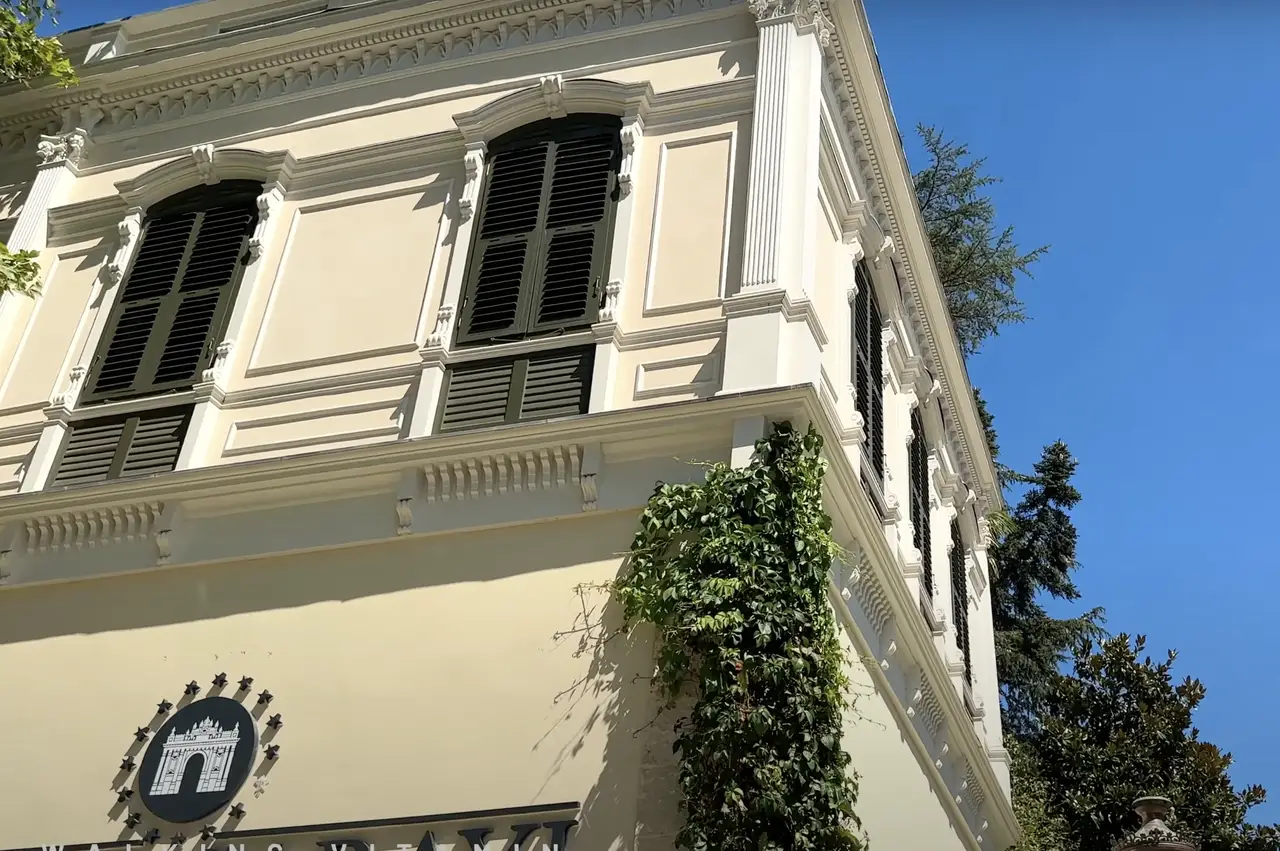
- Mabeyn Pavilion: The main administrative building, showcasing opulent interiors and European influences.
- Çit Pavilion and Harem Hall: Private areas of the palace, now open to visitors after extensive restoration.
- Yıldız Porcelain Factory: Established by Abdülhamid II, it produced high-quality ceramics for the palace and export, reflecting his interest in modern industry.
The palace complex is spread over 500,000 square meters on a hill, offering views of the Bosphorus. It has fortified walls, reflecting the political instability of the late 19th century.
Küçüksu Pavilion
- Ticket Price: 200 TL
- Location: Göksu, Küçüksu Cd., 34810 Beykoz/İstanbul, Türkiye
- Open: 9:00 AM – 5:30 PM, Closed on Mondays
Küçüksu started as a hunting lodge in the 18th century and was transformed into a lavish pavilion by Sultan Abdülmecid in 1857. This small, elegant structure was used for day trips and hunting excursions. Its ornate design reflects the European influence that was prevalent in Ottoman architecture at the time:
- Ornamentation: Richly decorated ceilings, Italian marble fireplaces, and parquet floors. The pavilion’s facade is adorned with motifs, a decorative pool, and fountains.
- Function: Primarily used for leisure, it was a getaway for sultans to escape the pressures of court life.
Bulgur Palace
- Ticket Price: Free
- Location: Aksaray, Kargı Çk. No:3, 34096 Fatih/İstanbul, Türkiye
Bulgur Palace was completed in 1912 for Mehmet Habip Bey, an Ottoman official who made his fortune trading bulgur. Located in Fatih, the building has seen multiple uses, including as an archive for Ottoman Bank. After a recent restoration, it now features:
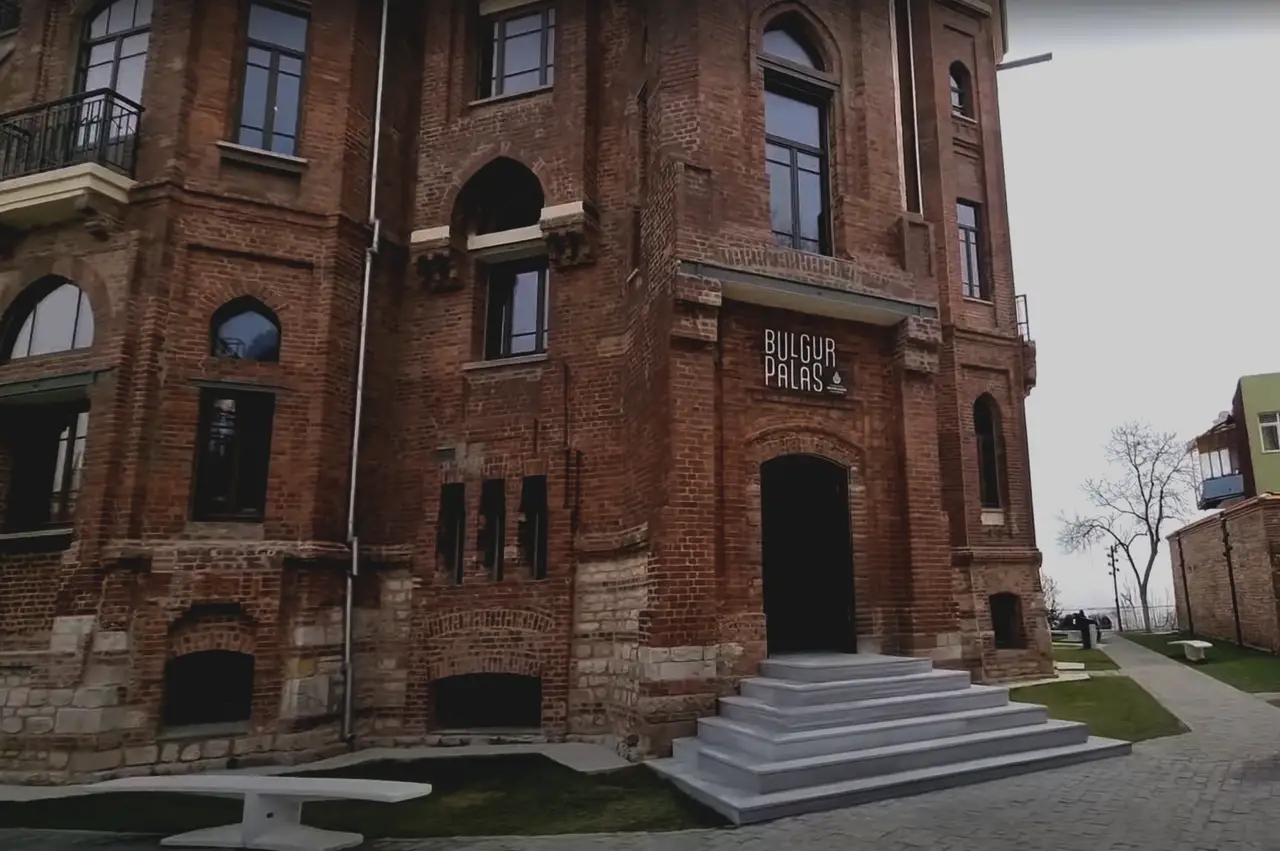
- Library: Houses over 25,000 books.
- Exhibitions: Hosts rotating cultural exhibits, currently featuring a photo collection.
- Café: with coffee and scenic views from the upper floors, especially from the observation deck.
Maslak Pavilion
- Location: Konaklar, Büyükdere Street, Beşiktaş/İstanbul, Türkiye
- Ticket Price: 200 TL
- Open: Closed on Mondays
Built during the Tanzimat reform era, Maslak Pavilion served as a private retreat for Sultan Abdülmecid. It was used for hunting trips and private family events.
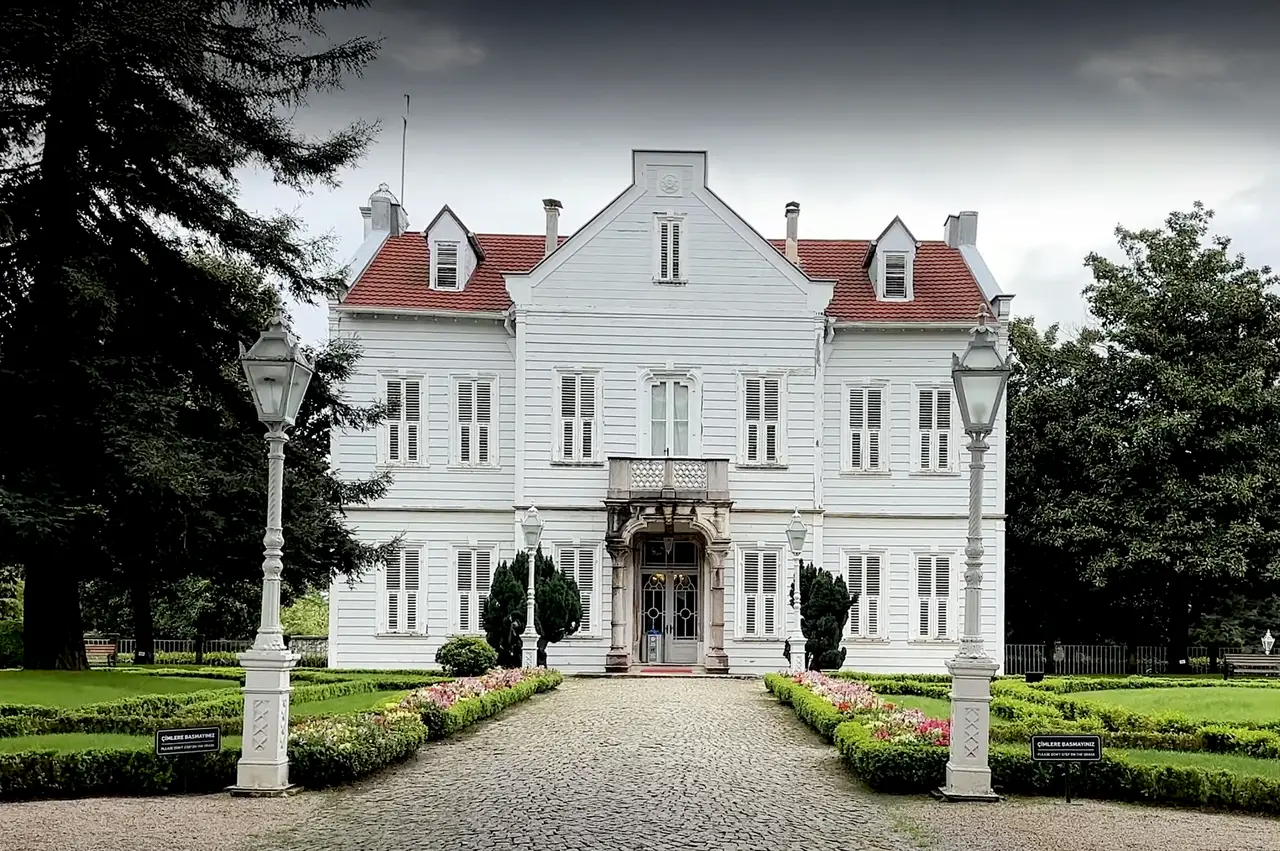
- Design Elements: The pavilion has traditional Ottoman architecture with less emphasis on Western design. Its simplicity and connection to nature reflect the sultan’s need for peace away from the city’s political turmoil.
- Gardens: The pavilion is set in a park filled with seasonal blooms, adding to its allure. It is best visited in July when the hydrangeas are in full bloom.
Practical Tip: Easily accessible via Metro M2 from Sanayi Mahallesi station.
Hidiv Kasrı (Khedive Palace)
- Location: Çubuklu, 34805 Beykoz/İstanbul, Türkiye
- Only gardens are opened
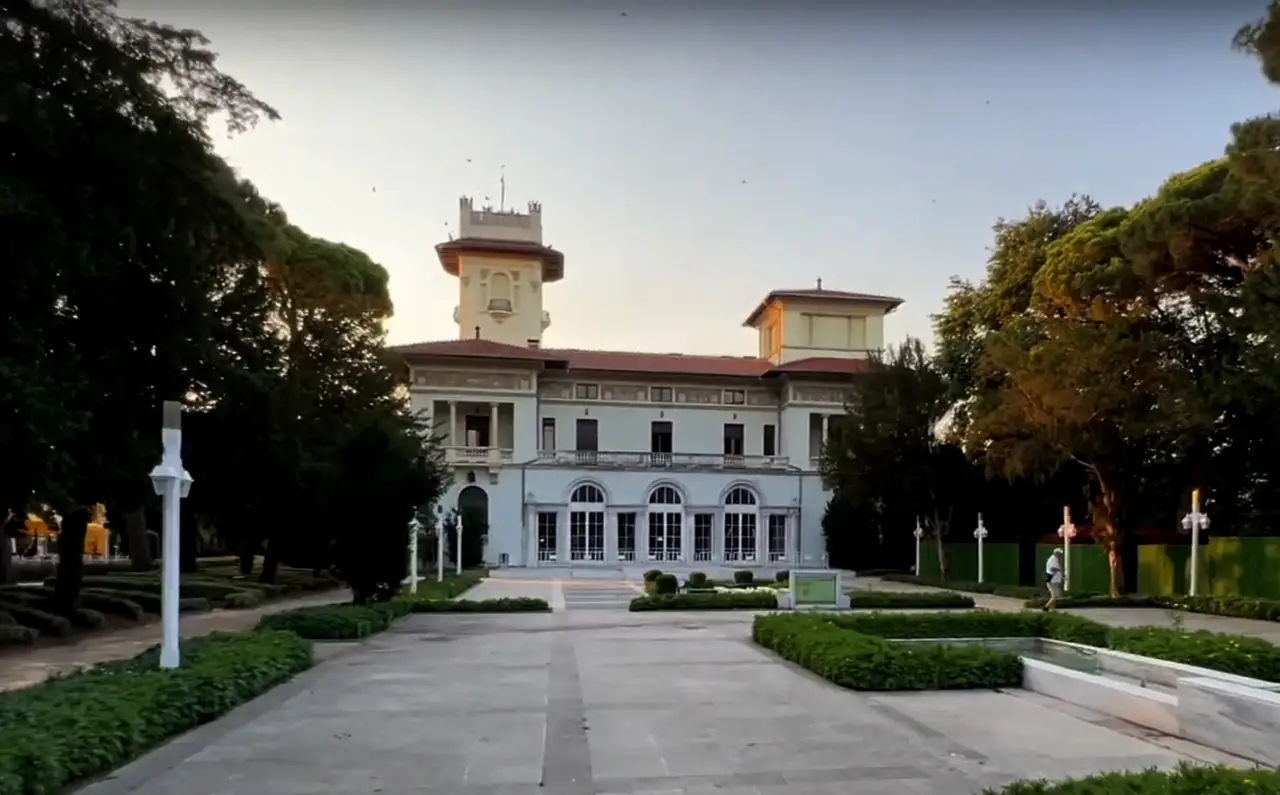
Built in 1907 by Khedive Abbas Hilmi Pasha, this mansion is set on a hill in Çubuklu. It was designed by Delfo Seminati in an Art Nouveau style:
Built in 1907 by Khedive Abbas Hilmi Pasha, the last Khedive of Egypt, this palace sits atop a hill overlooking the Bosphorus. It is designed in the Art Nouveau style by Italian architect Delfo Seminati.
Key Features
- Tower: A defining feature that provides panoramic views of the Bosphorus.
- Marble Fountain: A prominent decorative element, it welcomes visitors at the entrance.
- Surrounding Gardens: The palace is set within lush green grounds with paths, picnic areas, and cafes, making it a popular leisure spot.
Built for the last Khedive (Viceroy) of Egypt, it symbolizes the close ties between the Ottoman Empire and Egypt. The mansion is currently under restoration, but the park is open.
Tophane Pavilion
- Location: Kılıçali Paşa, Meclis-i Mebusan Cd. No:2, 34433 Beyoğlu/İstanbul, Türkiye
- Ticket: Free until December 31
Recently reopened after extensive restoration, Tophane Pavilion dates back to the mid-19th century. It was designed by William Smith, an English architect, and originally served as a reception area for foreign dignitaries arriving by sea. The pavilion also played a role in diplomatic events, including discussions on the Lozan Treaty.
- Rococo Architecture: Reflects a blend of Ottoman and European styles.
- Strategic Location: Originally provided access to the Bosphorus, connecting the pavilion directly with naval routes.
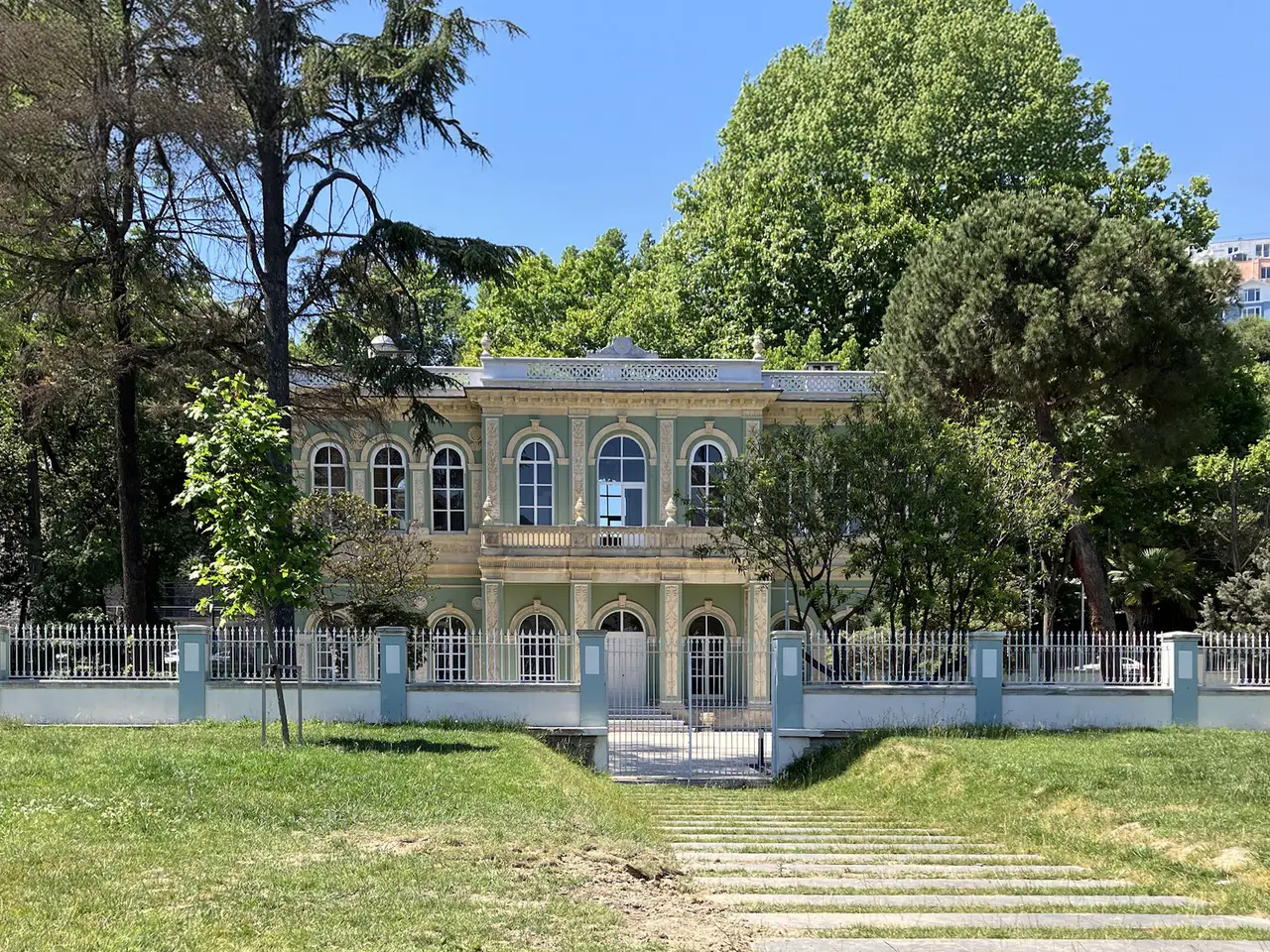
The pavilion was part of the Ottoman naval arsenal, emphasizing its strategic importance. Today, it serves as an exhibition space, offering insights into Istanbul’s maritime past.
Hünkâr Kasrı (Sultan’s Pavilion)
- Ticket Price: Free during exhibitions
- Location: Hobyar, Arpacılar Cd. No:29, 34112 Fatih/İstanbul, Türkiye
- Open: Monday to Saturday (during exhibitions)
Built as a private space for sultans, the Hünkâr Kasrı sits above an archway at the entrance of the New Mosque. It includes a salon, bedchamber, and bathroom, all adorned with Iznik tiles. The pavilion was used for rest and private meetings, reflecting the Ottoman tradition of connecting royal pavilions with religious structures.
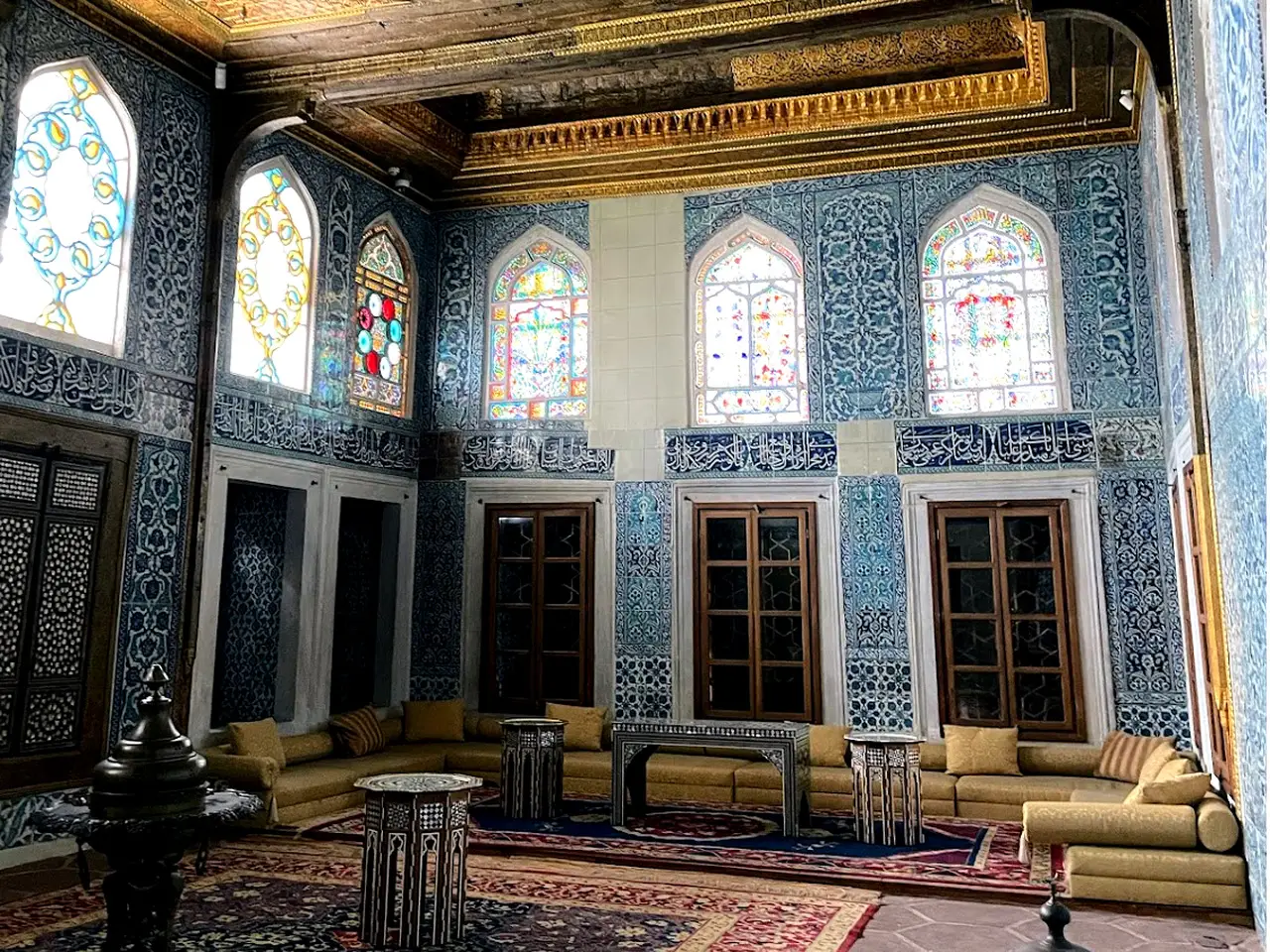
The space is reached via a wide staircase, now also an exhibition area managed by the Istanbul Chamber of Commerce. Visitors can see the pavilion when exhibitions are open, offering a rare look at its detailed tile work and intimate design.
Adile Sultan Pavilion (Adile Sultan Kasrı)
- Location: Altunizade, Tophanelioğlu Cd. No:19, 34662 Üsküdar/İstanbul, Türkiye
- Tourist Access: Free to visit the exterior and first floor; entry to the museum is 20 TL.
The Adile Sultan Pavilion was built in 1863 by Sultan Abdülaziz for his sister, Adile Sultan, who used it as a summer residence. The architect was Nigoğayos Balyan, a member of the famous Balyan family who designed several prominent Ottoman landmarks like Dolmabahçe and Beylerbeyi Palaces.
The pavilion reflects the late Ottoman style, with elegant rooms and a grand hall featuring a beautiful staircase. Though relatively small compared to other royal residences, its design embodies the luxury typical of the era.
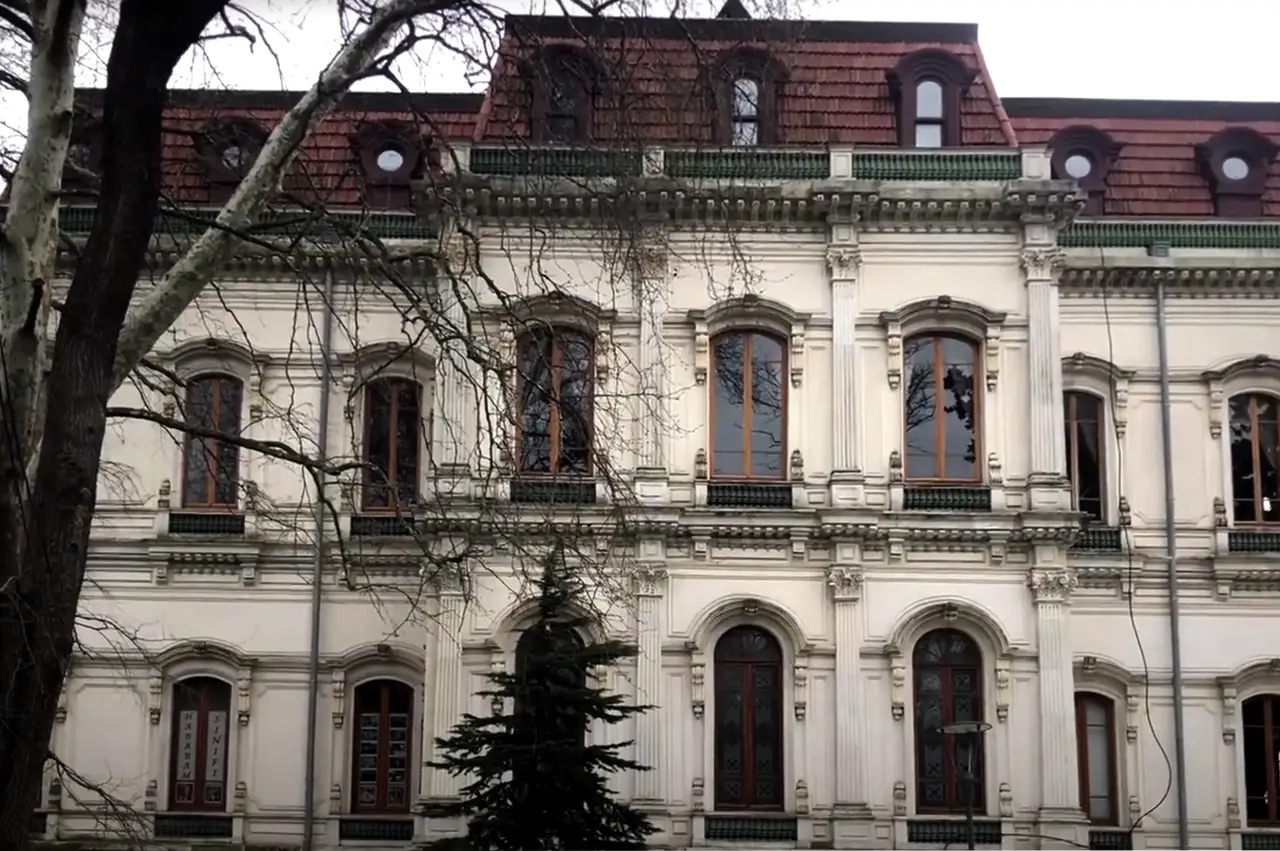
During World War I, the building served as a shelter for female students. Later, it was converted into a sanatorium for children with tuberculosis.
Restored in the 2000s, it now functions as a cultural and educational center. It houses a restaurant, a hotel, and event spaces popular for weddings. Visitors can tour the pavilion’s lower floor and gardens, and there’s a museum dedicated to the classic Turkish film “Hababam Sınıfı,” which was shot here in the 1970s.
Adile Sultan Palace (Adile Sultan Sarayı)
- Location: Kandilli, Vaniköy Cd No : 12, 34684 Üsküdar/İstanbul, Türkiye
- Visitor Information: Open for free visits when not reserved for private events. It frequently appears in popular Turkish TV series, drawing fans to its beautiful halls and gardens.
The Adile Sultan Palace was constructed under the orders of Sultan Abdülaziz as a gift for his sister, Adile Sultan, who was known as the first Ottoman poetess. The building sits on a hill between the two Bosphorus bridges, offering stunning views of the strait.
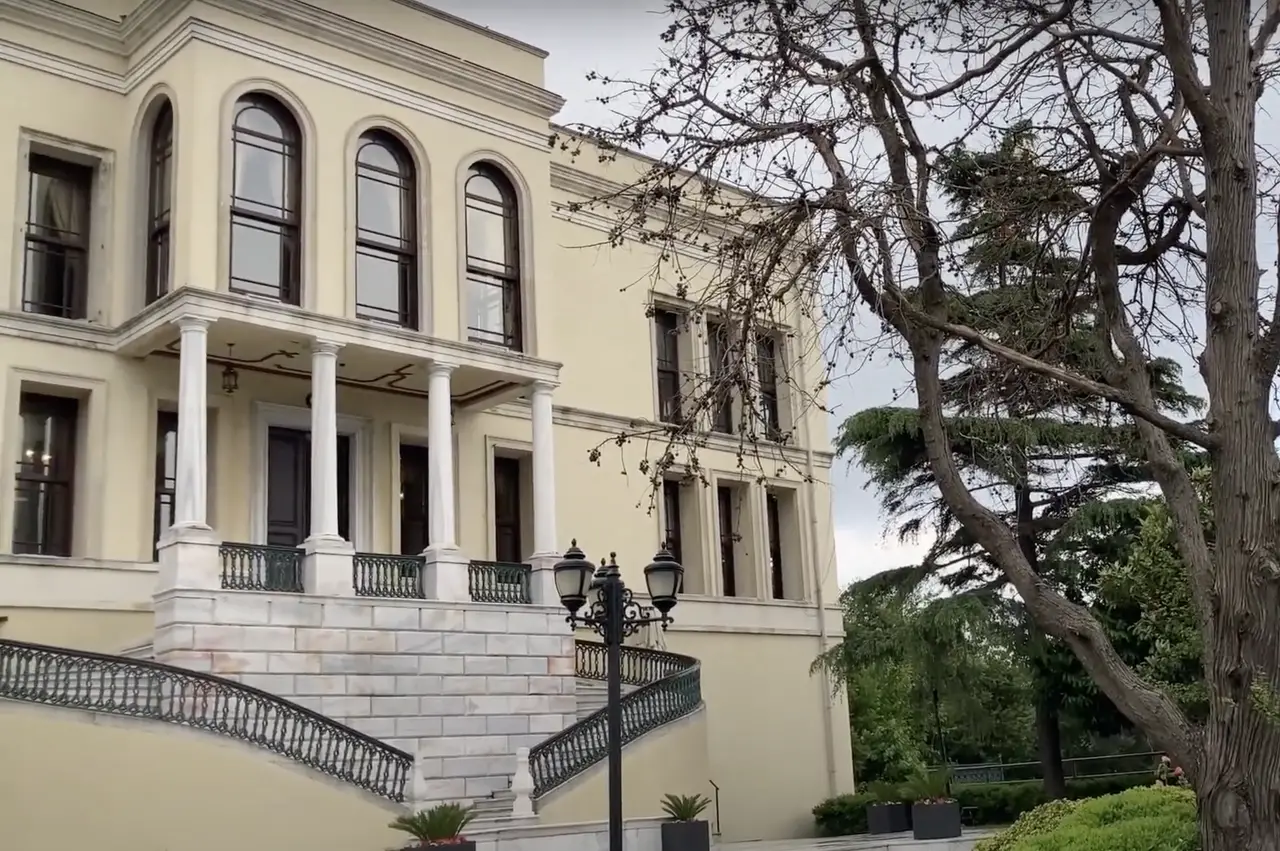
- Architecture: Designed by Sarkis Balyan, part of the famous Balyan family, it showcases late Ottoman elegance. Although smaller than other royal palaces, it has 55 rooms with intricate interiors.
- Historical Uses: Originally a summer residence, Adile Sultan donated the palace for use as a girls’ school after her death. It served as a school and dormitory until a fire in 1986 severely damaged the structure.
- Restoration and Modern Role: The palace was restored in 2006 with support from philanthropists, particularly Sakıp Sabancı. Now it functions as the Sabancı Cultural and Educational Center, hosting conferences, seminars, and events. The Borsa Restaurant located on-site is known for its exceptional Bosphorus views.
Aynalıkavak Pavilion
- Ticket Price: 200 TL.
- Location: Keçeci Piri, Donanma Cd., 34440 Beyoğlu/İstanbul, Türkiye
- Closed: Mondays
- Hours: 9 am – 5:00 pm
Aynalıkavak Pavilion, known as the “Mirrored Pavilion,” dates back to the 17th century. The pavilion is notable for its elegant Ottoman baroque architecture, characterized by traditional interiors, a grand reception room, and beautiful gardens overlooking the Golden Horn.
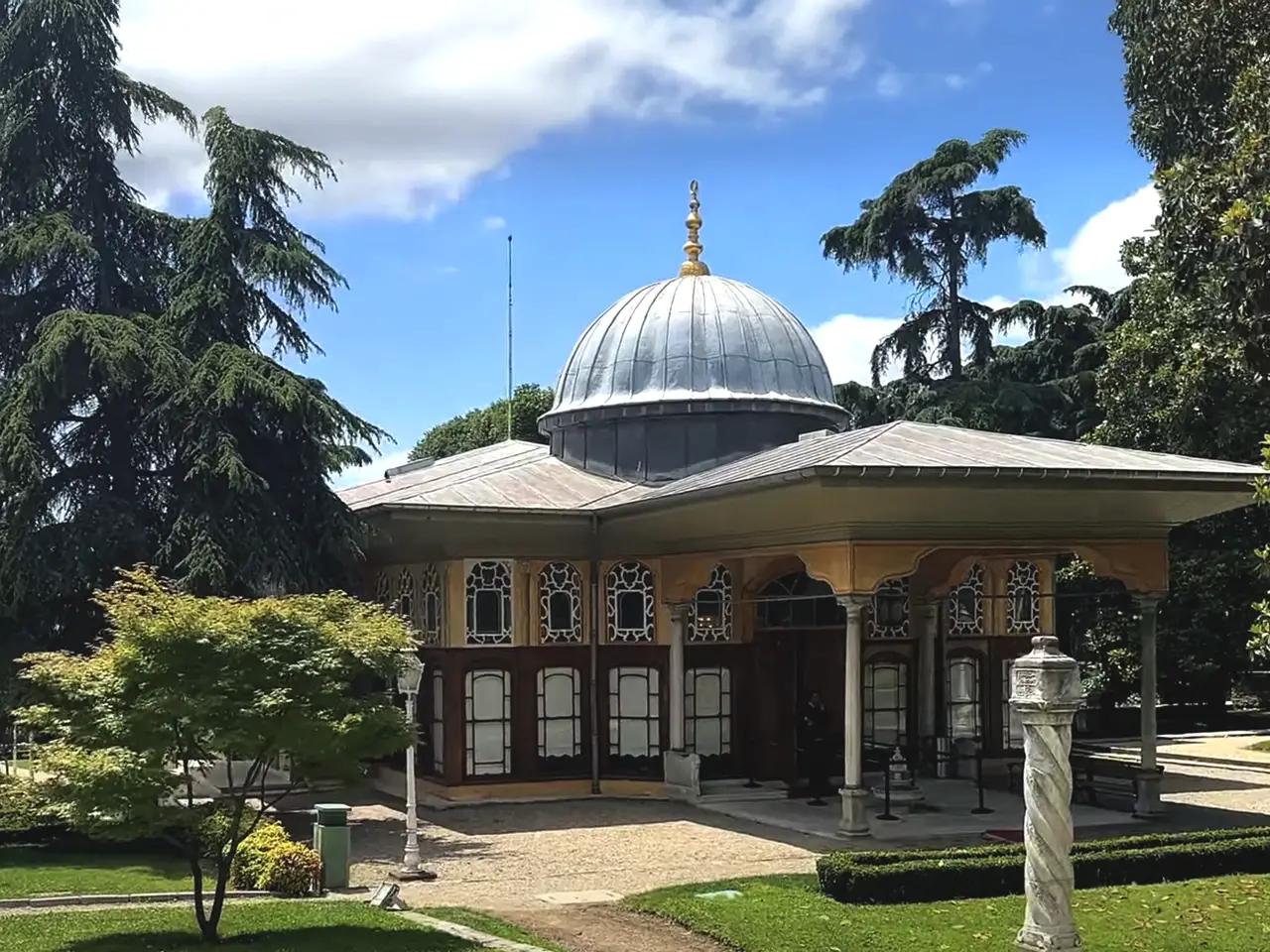
Sultan Selim III and later Sultan Mahmut II made significant renovations, and it eventually became a museum showcasing historical Turkish musical instruments. Visitors can still see intricate designs, such as poems by Enderuni Fazıl and Şeyh Galib adorning its friezes
It now serves as a museum featuring historical Turkish musical instruments, and visitors can admire the preserved Ottoman design and tranquil gardens overlooking the Golden Horn.
Palace of Constantine Porphyrogenitus (Tekfur Sarayı)
- Location: Ayvansaray, 34087 Fatih/İstanbul, Türkiye
- Tickets: 50 TL.
The Palace of Constantine Porphyrogenitus, or Tekfur Sarayı, is a rare example of Byzantine architecture in Istanbul. Built during the Palaiologos era, it was likely connected to the Blachernae Palace complex near the city walls. Though not directly tied to Constantine VII, it represents the final phase of Byzantine secular construction.
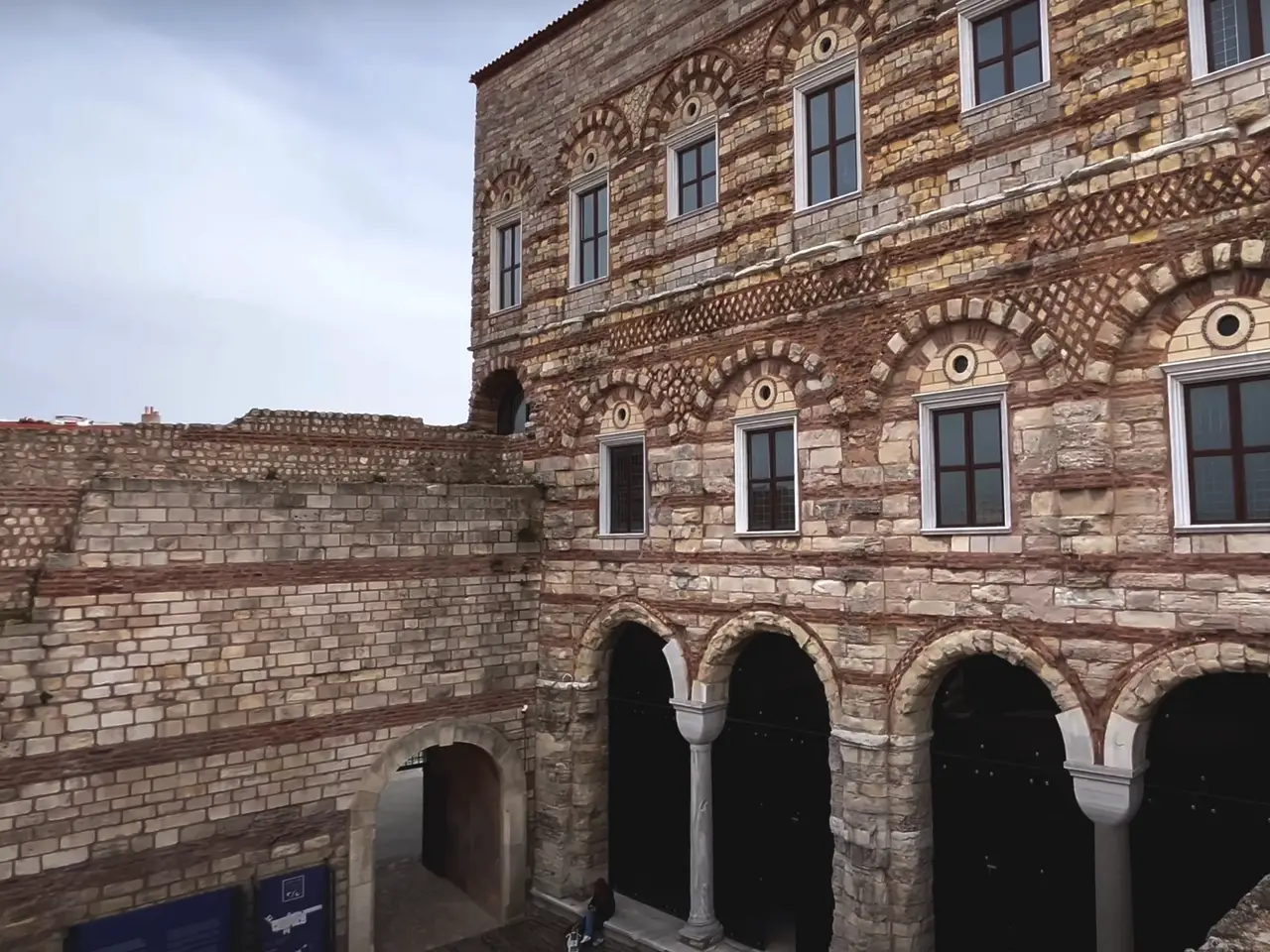
- Architecture: The structure showcases traditional Byzantine brickwork and arched windows, giving insight into the empire’s design style.
- Historical Uses: After 1453, the building had many roles, including as a pottery, animal menagerie, and factory, reflecting its varied post-Byzantine history.
- Restoration: Recent renovations have opened it as a museum, preserving this glimpse into late Byzantine Constantinople.
Çırağan Palace
- Not open for general touring; operates as a luxury hotel
- Location: Yıldız, Çırağan Cd. No:32, 34349 Beşiktaş/İstanbul, Türkiye
Originally built in the 19th century for Sultan Abdülaziz, Çırağan Palace was designed to showcase Ottoman opulence along the Bosphorus. However, after a devastating fire in 1910, the palace lay abandoned until it was restored and converted into a luxury hotel in the 1990s.

Today, it combines original architecture with modern luxury, offering guests a taste of royal treatment. Its beautiful marble halls and lush gardens can still be admired by those dining at the hotel’s restaurants.
Ibrahim Pasha Palace (İbrahim Paşa Sarayı)
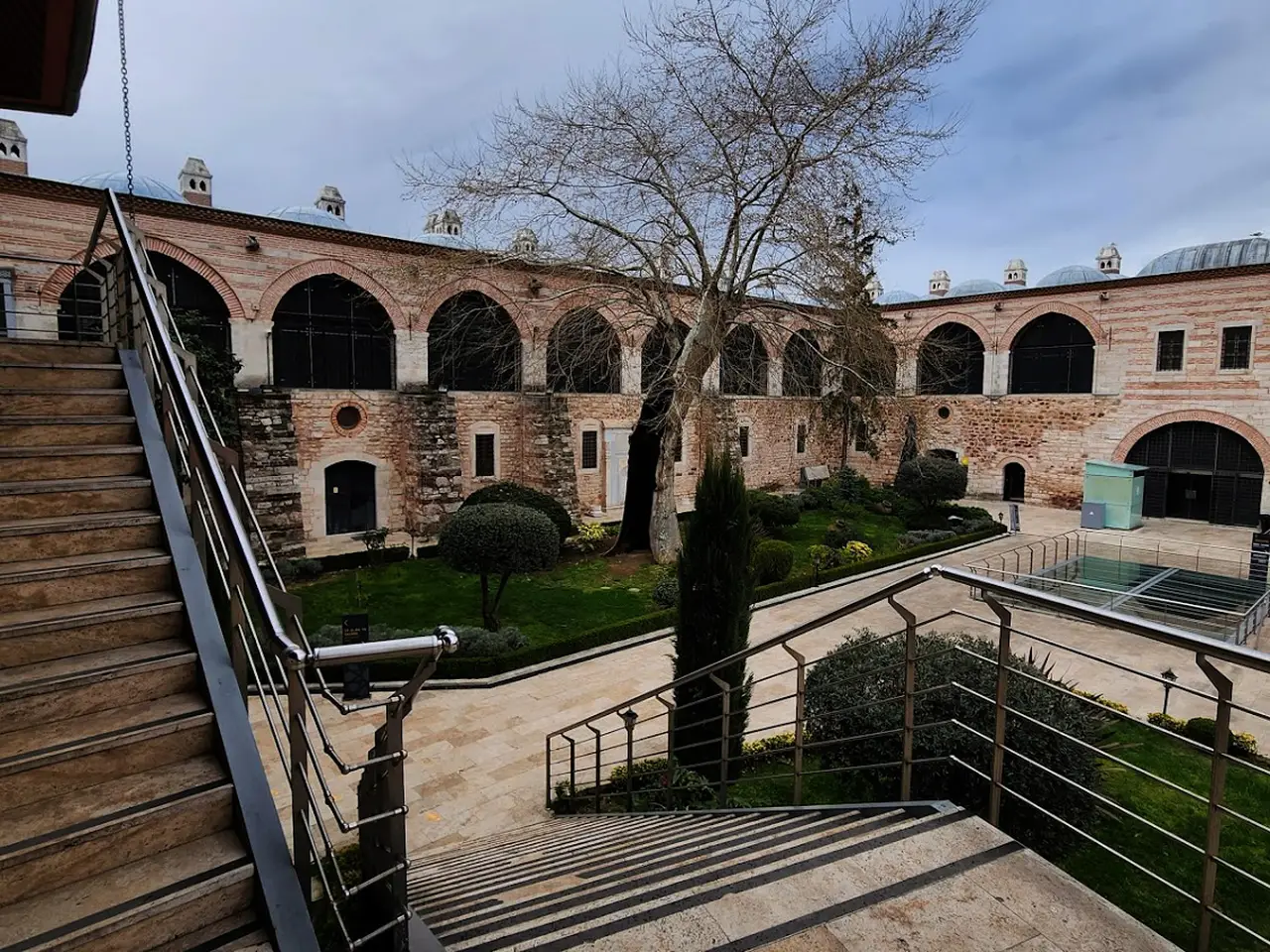
The palace, built in the 16th century, was a gift from Suleiman the Magnificent to his Grand Vizier Pargalı Ibrahim Pasha. It is one of the best-preserved Ottoman buildings in Sultanahmet and now houses the Museum of Turkish and Islamic Arts. The palace reflects classical Ottoman architecture, with expansive courtyards and detailed stonework, offering a look into the lifestyle of the Ottoman elite.
Beykoz Mecidiye Pavilion
- Ticket Price: 300 TL
- Location: Yalıköy, Beykoz Kasrı, 34820 Beykoz/İstanbul, Türkiye
- Closed: Mondays
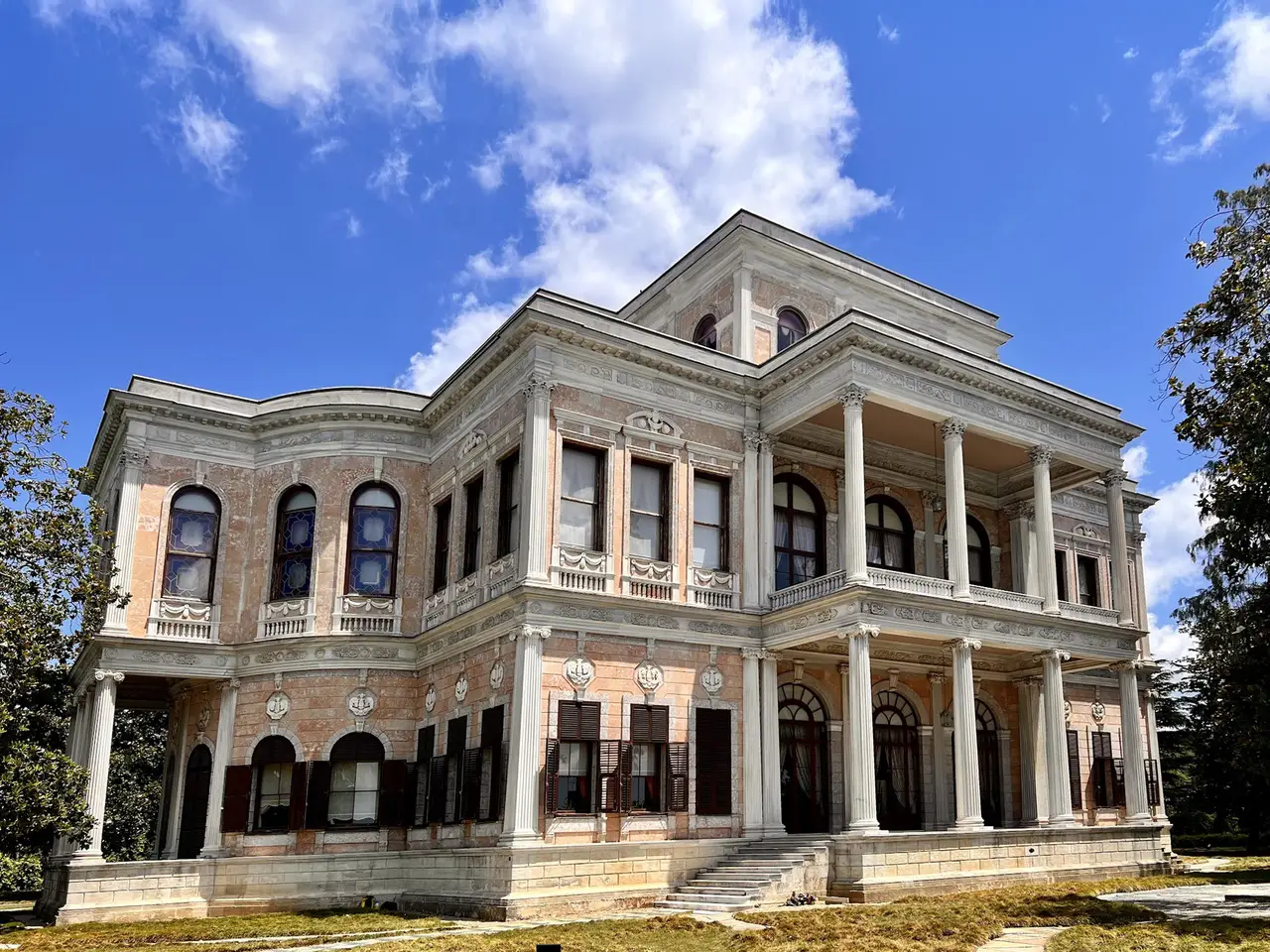
Constructed under Sultan Abdülmecid in the mid-19th century, this pavilion served as a retreat on the Asian side of Istanbul. Nestled in greenery, the Beykoz Mecidiye Pavilion combines neo-classical and baroque styles, with elegant interiors and panoramic views of the Bosphorus. The surrounding park is open to visitors, and the pavilion itself is known for its intricate woodwork and luxurious decor.
Don’t Miss The Best Tours and Cruises in Istanbul
Old City Route – Istanbul
$9.99
★★★★★
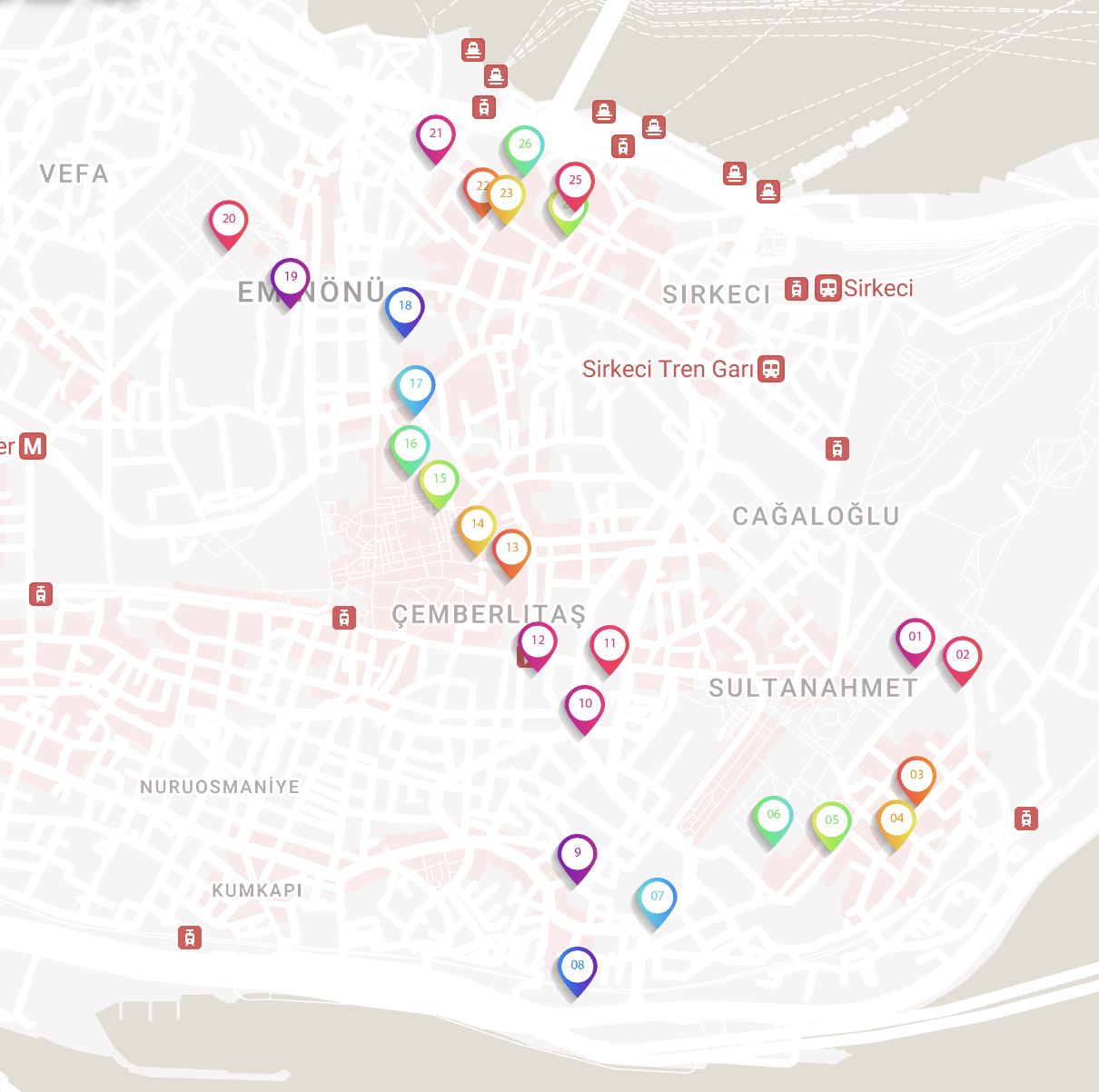
A step-by-step guide to uncovering Istanbul’s hidden gems beyond Sultanahmet. Access the route via Google Maps and a handy PDF guide
Similar Posts
Skip-the-Line Tickets and Tours to Galata Tower (2025)
Save up to 70% with Istanbul E-Pass Pay Once and Have Free Attractions Entry for 7 days Save over 50% In this guide, we’ll navigate the ins and outs of securing skip-the-line tickets and embarking on enlightening guided tours to Galata Tower to make your visit truly unforgettable. Galata Tower: Why to Visit? Before we…
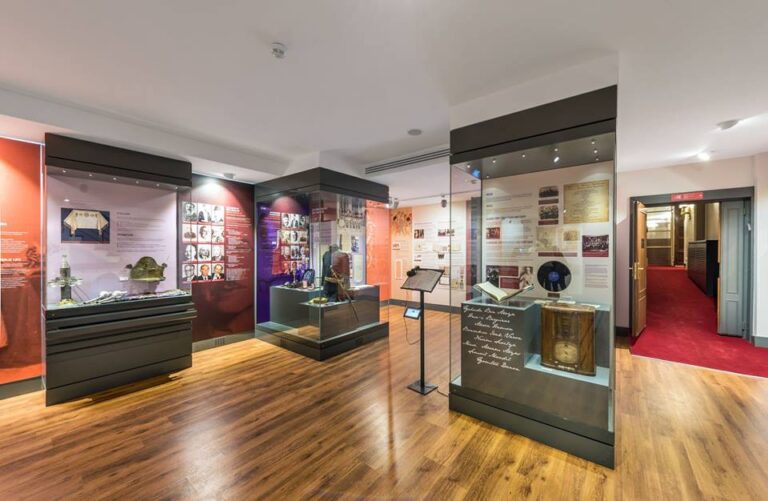
The Jewish Museum Istanbul: Collection, Entry Fee, Location, Opening Hours (2025)
Save up to 70% with Istanbul E-Pass Pay Once and Have Free Attractions Entry for 7 days Save over 50% Discover the Jewish Museum of Turkey, an enchanting cultural treasure nestled in the heart of Istanbul. This museum, a testament to the rich 2,600-year history of Turkish Jews, showcases the priceless contributions of this community…
Istanbul Byzantine Ruines and Sites: Remains of Contantinople 2025
Save up to 70% with Istanbul E-Pass Pay Once and Have Free Attractions Entry for 7 days Save over 50% Istanbul is a city that has been shaped by centuries of history, culture, and religion. It is a melting pot of civilizations, a bridge between Europe and Asia, and a place where the past and…
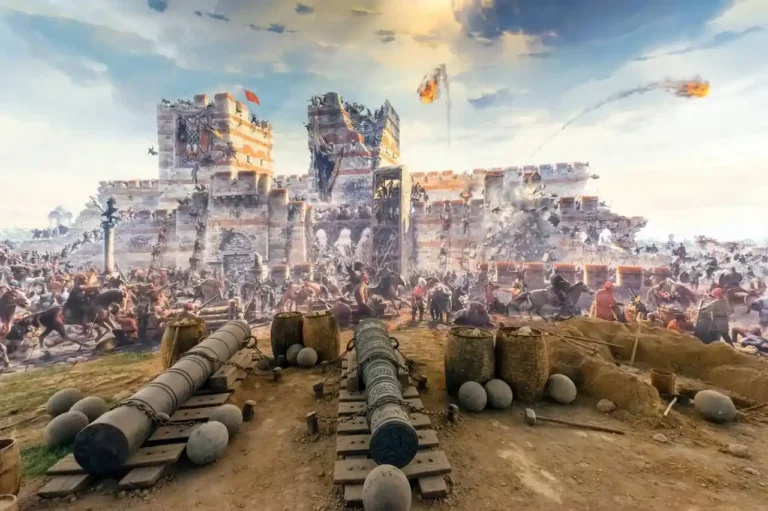
Panorama 1453 History Museum: Price, Hours & Location (2025)
Save up to 70% with Istanbul E-Pass Pay Once and Have Free Attractions Entry for 7 days Save over 50% PANORAMA 1453 Museum brings the conquest of Constantinople to life. This museum is more than just a history lesson — it’s an immersive experience that places you right in the heart of the battle. 360°…
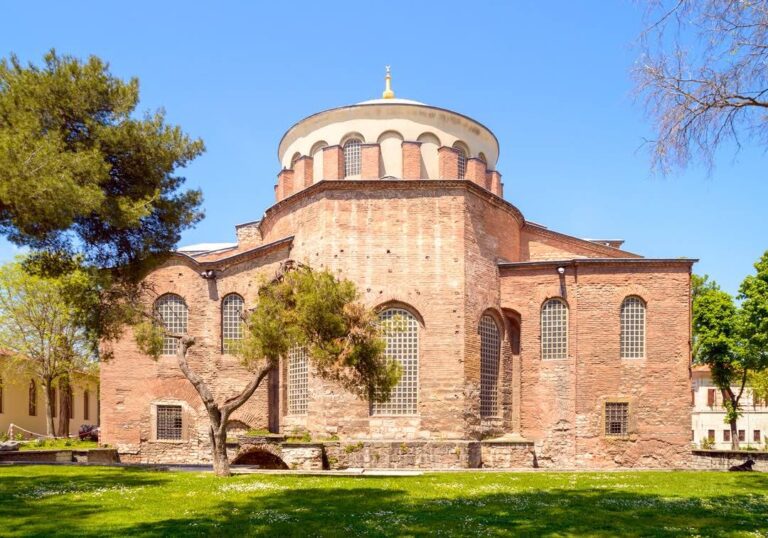
Hagia Irene Church in Istanbul: History, Hours & Tickets (2025)
Save up to 70% with Istanbul E-Pass Pay Once and Have Free Attractions Entry for 7 days Save over 50% Hagia Irene is located within the outer walls of Topkapı Palace. It stands as a testament to Istanbul’s rich Byzantine heritage. Commissioned by Emperor Justinian in the 540s, it shares a historical lineage with its…
Underground Sites in Istanbul: Old Cisterns & More (2025)
Save up to 70% with Istanbul E-Pass Pay Once and Have Free Attractions Entry for 7 days Save over 50% Istanbul’s underground heritage offers a fascinating journey through layers of history, from ancient Roman cisterns to hidden tunnels and subterranean mosques. While the Basilica Cistern is the most famous, there are several other underground treasures,…