Istanbul UNESCO Sites: A Guide to Historic Landmarks
Pay Once and Have Free Attractions Entry for 7 days
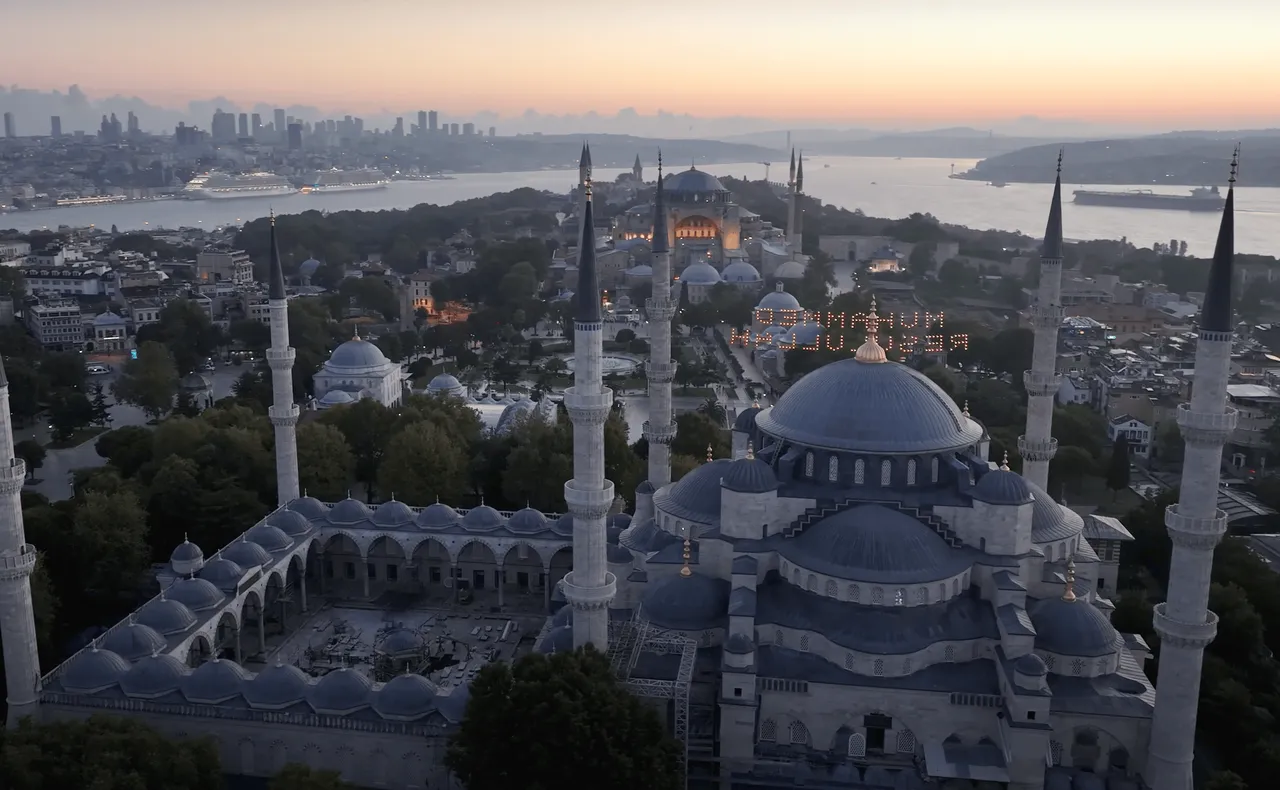
Istanbul, once the capital of two great empires—Byzantine and Ottoman—holds a unique place in world history. Several historic areas in the city are recognized by UNESCO as World Heritage Sites. Each site is a physical record of past civilizations, a blend of Byzantine and Ottoman architecture, and a testament to the city’s influence on global history.
If you’re passionate about history, the UNESCO World Heritage Sites of Istanbul should be at the top of your list. These places tell the story of two of the world’s most powerful empires—the Byzantine and Ottoman—and they house some of the finest examples of their respective art and architecture.
🚗 First Time in Istanbul? Be Prepared & Carefree!
Istanbul: Private Airport Transfer with Meet and Greet 🌟 4.4 / 5 (318 reviews)
Bosphorus Dinner Cruise & Show with Private Table 🌟 4.8 / 5 (29936 reviews)
Istanbul: Full-Day Highlights Tour with Guide and Lunch 🌟 4.5 / 5 (1101 reviews)
Overview of Istanbul’s UNESCO Sites
Istanbul’s UNESCO World Heritage sites are concentrated in the historic center. In 1985, four key areas were recognized:
- Sultanahmet Archaeological Park (including Hagia Sophia, the Blue Mosque, and the Hippodrome)
- Topkapi Palace
- The Walls of Constantinople
- The Zeyrek and Süleymaniye Mosque Complexes
These sites represent different eras of the city’s history, from Roman and Byzantine to Ottoman rule. Together, they offer insight into the architectural, political, and cultural shifts that shaped Istanbul.
Discover Istanbul’s UNESCO Sites with a Guided Tour
Here is a recommended tour to make the most of your Istanbul UNESCO site experience:
Istanbul: Topkapi Palace & Harem Museum Ticket & Audio Guide 🌟 4.2 / 5 (205 reviews)
Istanbul: Basilica Cistern Skip-the-Line Entry & Audio Guide 🌟 4.4 / 5 (318 reviews)
Istanbul: Blue Mosque & Hagia Sophia Small-Group Tour 🌟 4.4 / 5 (318 reviews)
Sultanahmet Archaeological Park
Hagia Sophia
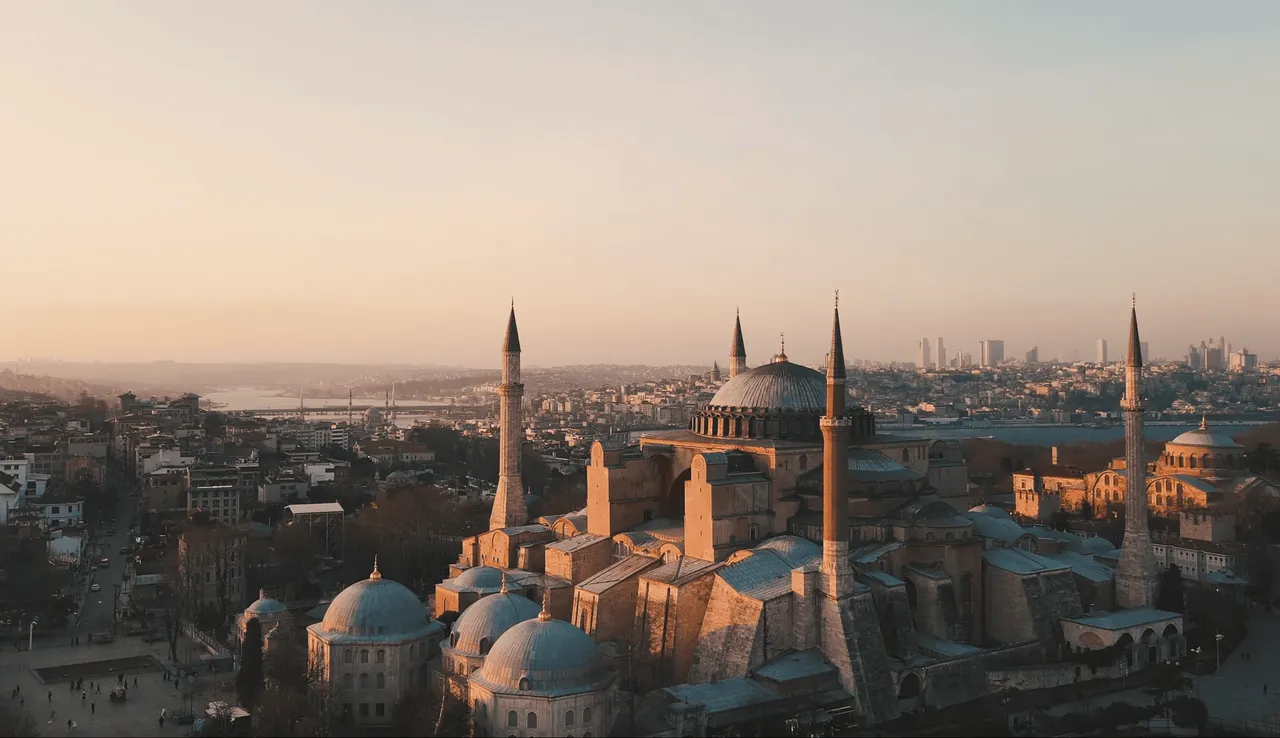
Hagia Sophia, the most famous structure in Sultanahmet, was built in 537 AD. Byzantine Emperor Justinian I commissioned it as a Christian basilica. Its massive dome, 31 meters in diameter, was an engineering marvel for its time. After the Ottoman conquest in 1453, Sultan Mehmed II converted it into a mosque, adding minarets and Islamic calligraphy. In 1935, it became a museum, and in 2020, it returned to its function as a mosque.
Read more about Hagia Sophia >>
Blue Mosque
Next to Hagia Sophia is the Blue Mosque, also known as Sultan Ahmed Mosque. Built between 1609 and 1616 by Sultan Ahmed I, it is one of the greatest examples of Ottoman architecture. The mosque’s interior is decorated with over 20,000 handmade ceramic tiles, mainly in blue, giving it its nickname. The mosque’s six minarets make it unique—most mosques have only one or two.

Read more about Blue Mosque >>
Hippodrome of Constantinople
The Hippodrome of Constantinople was the heart of Byzantine public life. It hosted chariot races, political events, and public executions. Although much of the original structure is gone, the surviving monuments—the Obelisk of Theodosius, the Serpent Column, and the Walled Obelisk—still stand today.

Don’t Miss The Best Tours and Cruises in Istanbul
Topkapi Palace
Topkapi Palace was the main residence of the Ottoman sultans for nearly four centuries. It was built soon after the Ottoman conquest of Constantinople and remained the political heart of the empire until the 19th century.

The palace complex includes four main courtyards and numerous smaller buildings, including the famous Harem, where the sultan’s family lived. Topkapi was also home to the imperial treasury, which holds some of the most precious artifacts of the Ottoman Empire, including the Topkapi Dagger and the Spoonmaker’s Diamond.
Read more about Topkapi Palace >>
The Walls of Constantinople
The Walls of Constantinople, built by Emperor Constantine the Great in the 4th century, were later expanded by Emperor Theodosius II. These walls encircled the city and played a crucial role in protecting it from numerous invasions over the centuries. The most famous section is the Theodosian Walls, which stretch over 6 kilometers and feature three layers of defenses: an outer wall, a moat, and an inner wall. These fortifications were considered nearly impenetrable until the city fell to the Ottomans in 1453.

The walls are not only a testament to Byzantine engineering but also one of the reasons the city survived as long as it did, shielding it from attacks for more than 1,000 years.
The Süleymaniye Mosque Complex
The Süleymaniye Mosque, completed in 1557, is an architectural masterpiece designed by Mimar Sinan, the Ottoman Empire’s most celebrated architect. It was built for Sultan Suleiman the Magnificent and remains one of the largest and most iconic mosques in Istanbul.
The mosque is part of a larger complex (or külliye), which includes schools, a library, a hospital, and public kitchens that once fed the city’s poor. Its size, elegance, and careful balance of interior space are hallmarks of classical Ottoman architecture.
Read more about Süleymaniye Mosque Complex >>
Guided Tour of the Suleymaniye Mosque with Istanbul E-Pass
The Istanbul E-Pass is a valuable option for travelers, as it offers a guided tour of the Suleymaniye Mosque, along with 50+ other attractions, providing a convenient and cost-effective way to explore the city.
Zeyrek Mosque (Pantokrator Monastery)
The Zeyrek Mosque was originally the Monastery of the Pantokrator, a significant Byzantine religious complex built in the 12th century. It was the second-largest church in Constantinople, after Hagia Sophia. Following the Ottoman conquest, it was converted into a mosque. Today, the building is a rare example of surviving Byzantine architecture in Istanbul.

The Zeyrek Mosque and its surrounding area are part of the UNESCO site due to their architectural and historical significance. However, like many other structures from the Byzantine period, the Zeyrek Mosque has suffered from neglect and is in need of restoration.
Preservation Efforts and Challenges
The UNESCO sites in Istanbul face several challenges. Urban development, environmental factors, and tourism have put pressure on these historic areas. While preservation efforts are ongoing, balancing the needs of a growing city with the protection of its heritage is a complex task.
For example, parts of the Walls of Constantinople are in a state of decay due to pollution and neglect. Likewise, the Zeyrek Mosque has deteriorated over time, and its Byzantine-era structure requires urgent restoration to prevent further damage.
UNESCO and local authorities have been working on conservation projects, but the scale of the task remains immense, given Istanbul’s large number of historical sites.
FAQ: Istanbul UNESCO Sites
Don’t Miss The Best Tours and Cruises in Istanbul
Old City Route – Istanbul
$9.99
★★★★★
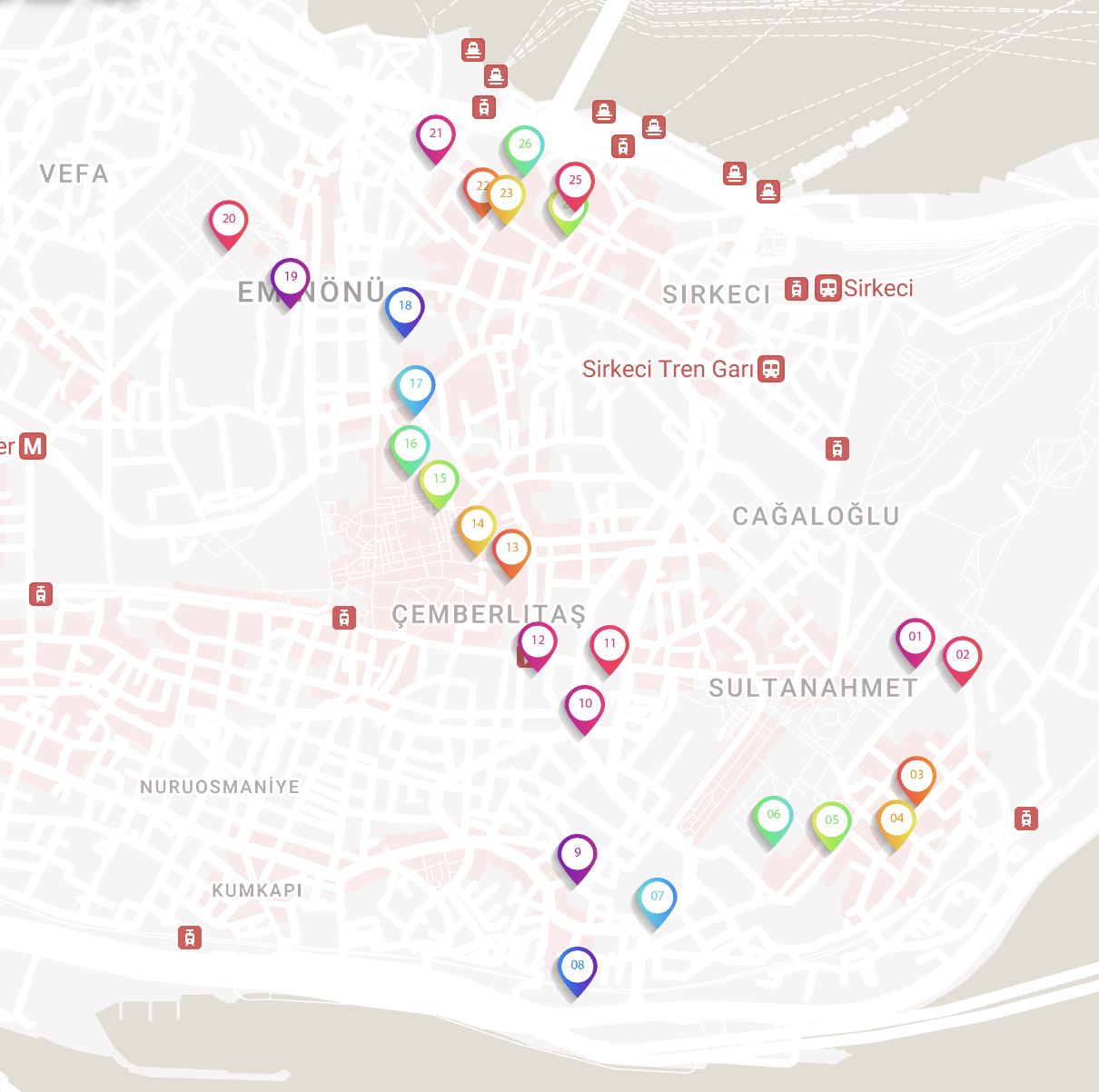
A step-by-step guide to uncovering Istanbul’s hidden gems beyond Sultanahmet. Access the route via Google Maps and a handy PDF guide
Similar Posts
Galata Tower: Tickets, Opening Hours, History & What to See (2025)
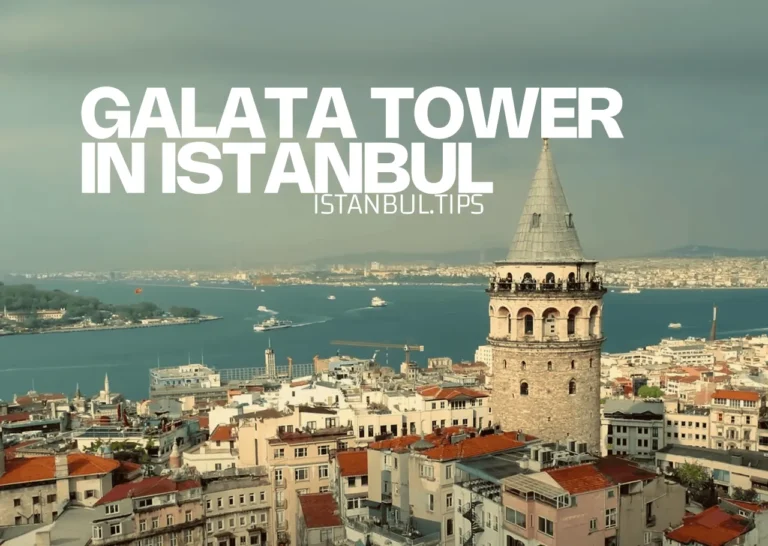
Save up to 70% with Istanbul E-Pass Pay Once and Have Free Attractions Entry for 7 days Save over 50% Galata Tower, built in 1348, is one of Istanbul’s most iconic landmarks and offers incredible panoramic views of the city. Its rich history as a watchtower and observatory adds to its charm, making it a…
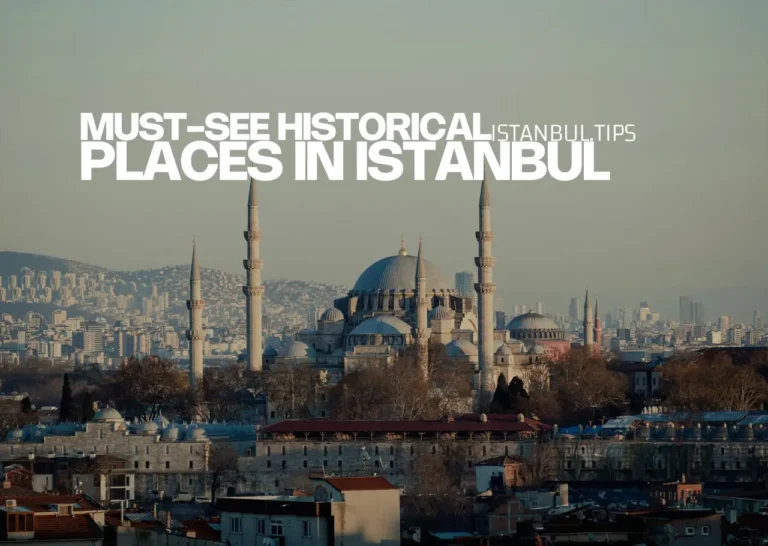
Must-See Historical Places in Istanbul: Checklist (2025)
Save up to 70% with Istanbul E-Pass Pay Once and Have Free Attractions Entry for 7 days Save over 50% Are you visiting Istanbul and have no idea what to see in this magnificent city? Don’t worry, we have got you covered! Istanbul is a city full of history, culture, and breathtaking sights that can…
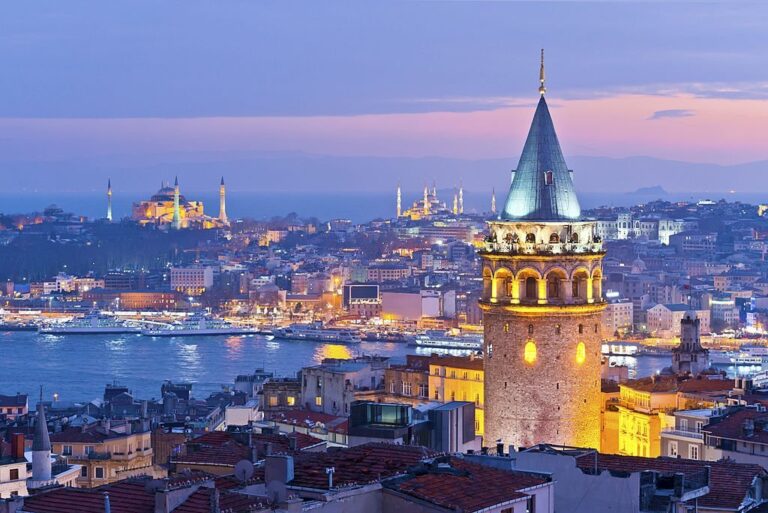
Best Historical Sites, Places & Areas in Istanbul with Entry Fees and Opening Hours (2025)
Save up to 70% with Istanbul E-Pass Pay Once and Have Free Attractions Entry for 7 days Save over 50% In Istanbul, the enchantment of historic areas and famous landmarks intertwines, painting a vivid tapestry of the city’s captivating past. Immerse yourself in the allure of historical Istanbul as you traverse its labyrinthine streets and…
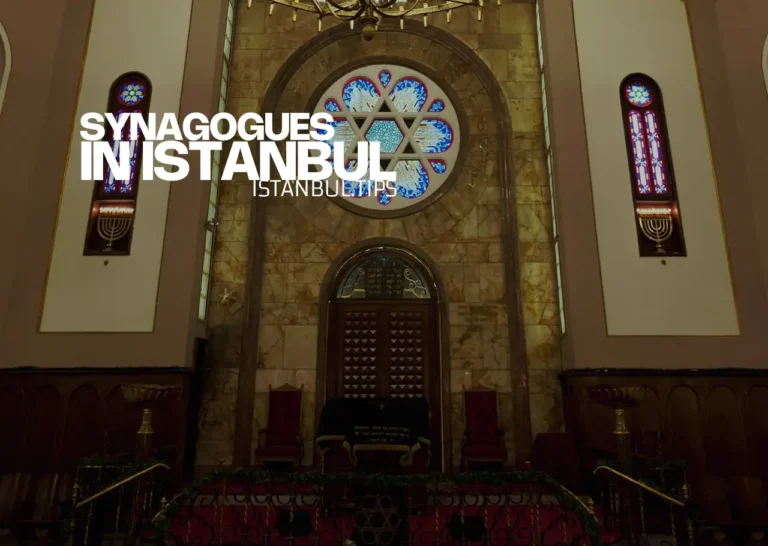
Synagogues in Istanbul: Where to Find & How to Visit 2025
Save up to 70% with Istanbul E-Pass Pay Once and Have Free Attractions Entry for 7 days Save over 50% Istanbul has a rich Jewish history that dates back over 2,000 years. Jews have long been a part of Istanbul’s social and cultural landscape, contributing significantly to its commerce, culture, and even politics. The Jewish…
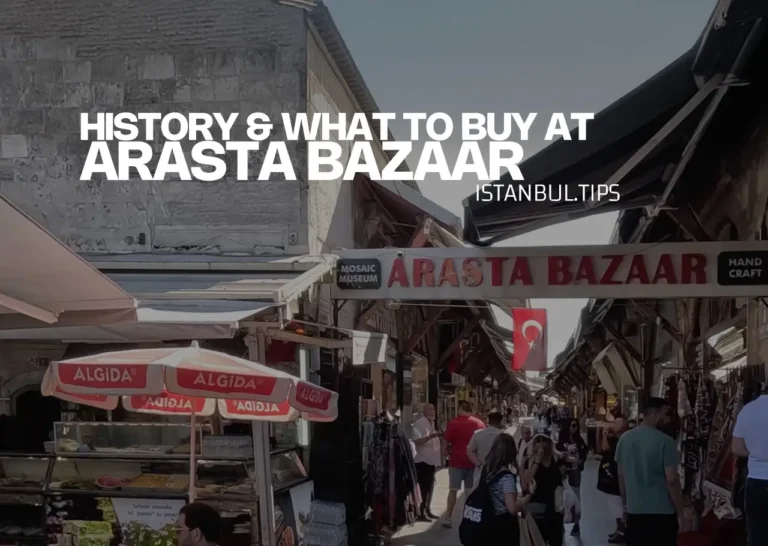
Arasta Bazaar in Istanbul: History, Guide & What to Buy 2025
Save up to 70% with Istanbul E-Pass Pay Once and Have Free Attractions Entry for 7 days Save over 50% Arasta Bazaar is a charming shopping spot hidden right by the Blue Mosque in Istanbul’s historic Sultanahmet district. Smaller and calmer than the Grand Bazaar, this market offers a cozy shopping experience with quality Turkish…
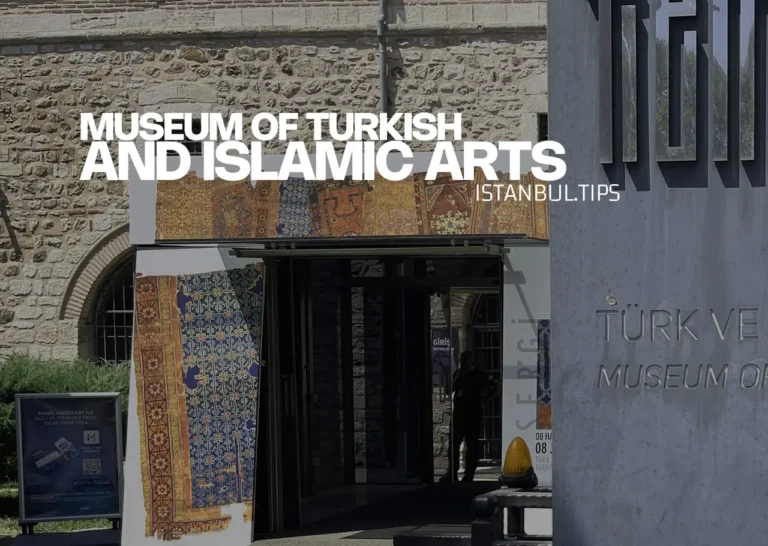
Museum of Turkish and Islamic Arts in Istanbul: Guide 2025
Save up to 70% with Istanbul E-Pass Pay Once and Have Free Attractions Entry for 7 days Save over 50% The Museum of Turkish and Islamic Arts (Türk ve İslam Eserleri Müzesi) is a must-see for anyone interested in Ottoman history and Turkish-Islamic culture. Located in Sultanahmet Square, this museum is housed in the Ibrahim…